
Modern interior design works best when the room feels clear, balanced, and easy to live in. It starts to feel forced when the layout, scale, and finishes stop supporting each other, so the space reads as styled rather than settled.
The good news is that this is usually not a problem of taste. It is more often a planning issue: the furniture is too big, the styling is too sparse, or the materials do not have enough warmth to soften the clean lines.
Modern style feels forced when the layout, scale, and finishes do not work together. The fix is usually to simplify the room plan, choose fewer but better-sized pieces, and add enough texture and warmth so the space feels intentional instead of staged.
Why modern rooms start to feel forced
Modern design is often described as minimal, but the real goal is not emptiness. It is clarity. A room feels modern when the main pieces make sense together, the circulation is easy, and the materials feel calm rather than busy.
Problems usually begin when people copy the look of modern interiors without checking whether the room can support it. A low sofa, a large coffee table, a slim chair, and a few carefully chosen accents can work beautifully. The same room can feel awkward if every piece is selected for appearance first and comfort or proportion second.
That is why modern style can look polished in one home and strained in another. The difference is rarely about buying more decor. It is about whether the room has a clear plan.
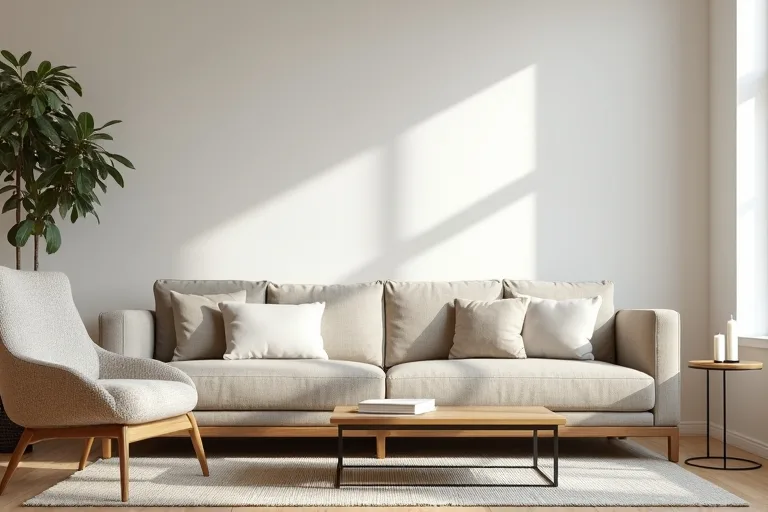
If the room feels off, ask a simpler question before shopping: does the furniture size, spacing, and visual weight match the room, or are you trying to force a modern look onto an awkward layout? If the plan is not working, decor will not fix it.
The layout and scale mistakes that flatten the room
Modern rooms rely on proportion. When scale is off, even good pieces can make the space feel rigid or underwhelming. A sofa that is too bulky, a chair that disappears, or a coffee table that interrupts movement can quickly make the room feel planned around objects instead of people.
Another common issue is putting too many items in the same visual zone. Modern style depends on breathing room, but that does not mean the room should feel empty. It means every piece needs a reason to be there.
Use this simple order of checks:
- Start with circulation. Can people move through the room without sidestepping furniture?
- Check the anchor pieces. Do the sofa, chair, rug, and table look like they belong in the same room?
- Look at height and weight. Is one side of the room much heavier than the other?
- Remove one item at a time before adding anything new.
This is where a modern room often improves fastest. Rebalancing the layout usually does more for the style than replacing decorative pieces.
When finishes, color, and decor stop working together
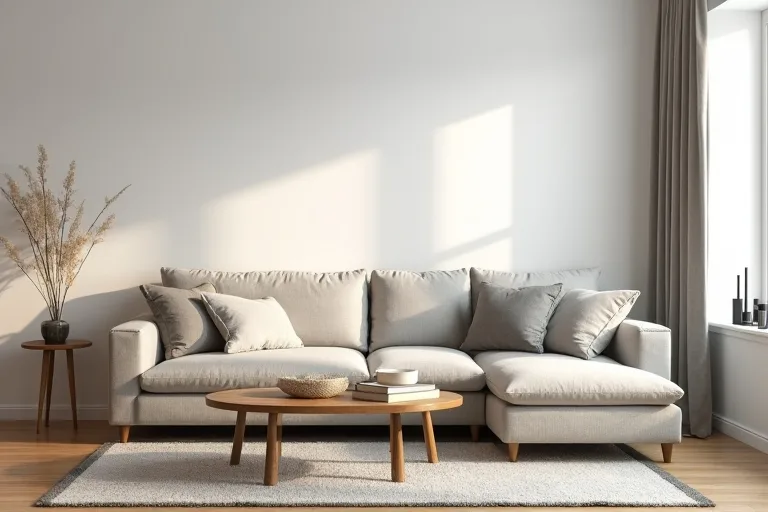
Modern interiors can feel forced when every surface is trying too hard to match. Too much repetition makes the room flat, while too many competing finishes make it look assembled without a point of view. A modern room usually needs restraint, not sameness.
Color can create this problem quickly. If everything is cool, hard, or high-contrast, the room can feel cold. If every surface is soft and neutral but lacks variation, the space can feel unfinished. The most dependable modern rooms usually combine a controlled palette with enough contrast in texture and material to stay interesting.
Decor follows the same rule. A few well-chosen objects are better than a surface full of similar items. One sculptural lamp, one piece of art, or a simple side table arrangement often does more than a crowded shelf.
For a subtle finishing touch, modern candle holders can work well because they add shape without adding clutter. If the room also needs a softer seating note, a boucle accent chair for living room or bedroom can bring in texture without pushing the room away from a modern look.
How to add warmth without losing the modern look
Many people avoid warmth because they think it will make the room less modern. In practice, warmth is often what keeps the style from feeling forced. The point is not to make the room cozy in every corner. It is to make it feel livable.
Start with texture before adding more color. Wood, boucle, matte finishes, woven materials, and soft textiles can all calm down a room that feels too sharp. Then look at the number of visible accents. A smaller number of more intentional items usually reads more modern than a collection of small fillers.
If the room still feels unfinished, do not rush to buy more. First check whether the lighting is too harsh, the rug is too small, or the seating zone is too spread out. Modern style often improves when the room is tighter and clearer, not busier.
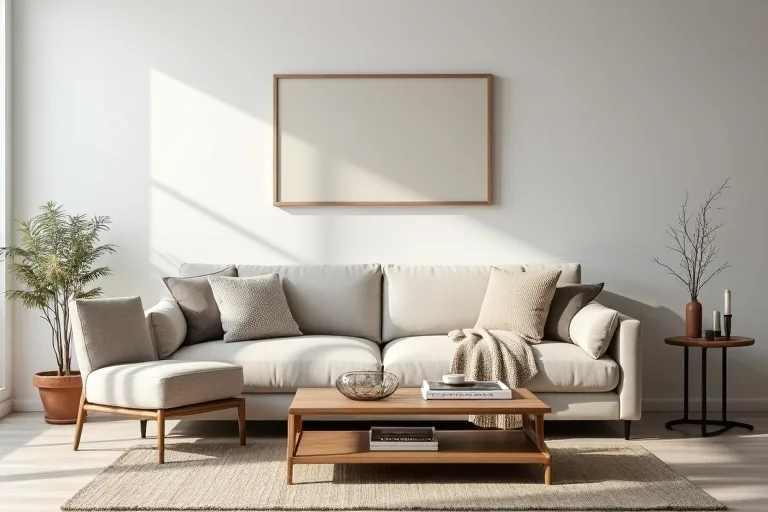
When the basics are right, a few restrained details are enough. A side table with one lamp and a pair of modern candle holders can soften a hard corner. A boucle accent chair can give the room a more relaxed edge without breaking the visual order.
Best next step
If your modern room still feels forced, check the plan before you buy more decor. The fastest way to improve the result is to confirm whether your layout, proportions, and style choices are actually working together.
- Buying modern furniture before checking room flow.
- Choosing pieces that are too large or too visually heavy for the space.
- Matching every finish so closely that the room loses depth.
- Styling with too few textures, which can make the room feel cold.
- Adding decor to hide a layout problem instead of fixing the layout.
- Leaving too much empty space in the wrong places, which can make the room feel unfinished rather than calm.
Modern interior design feels forced when the room is styled before it is planned. If you want the look to feel calm and natural, start with proportion, clear circulation, and a balanced mix of texture and restraint. Then add only the pieces that support the room, not the ones that simply complete the shopping list.
Helpful next tools and planners
If you want to make the decision easier before you buy
These are useful if you want a clearer starting point for layout, styling, or a small room update. The goal is to make the next decision simpler, not to add more noise.
FAQ
How do I know if my modern room feels forced?
If the room looks styled but not comfortable, or if the furniture spacing feels awkward, the problem is usually layout or scale rather than decor.
Should modern interiors always be minimal?
No. They should feel clear and edited, but they still need enough texture, warmth, and practical furniture to feel lived in.
What should I fix first in a modern room that feels off?
Start with circulation and scale. If the furniture plan is wrong, the room will keep feeling unsettled no matter how much you decorate it.
Can one accent chair change the feel of a modern room?
Yes, if it solves a real balance problem. A boucle accent chair can add softness and texture, but it should support the layout rather than crowd it.
Three sensible next steps
Some links in this article may be affiliate links. Read more in the Affiliate Disclosure.