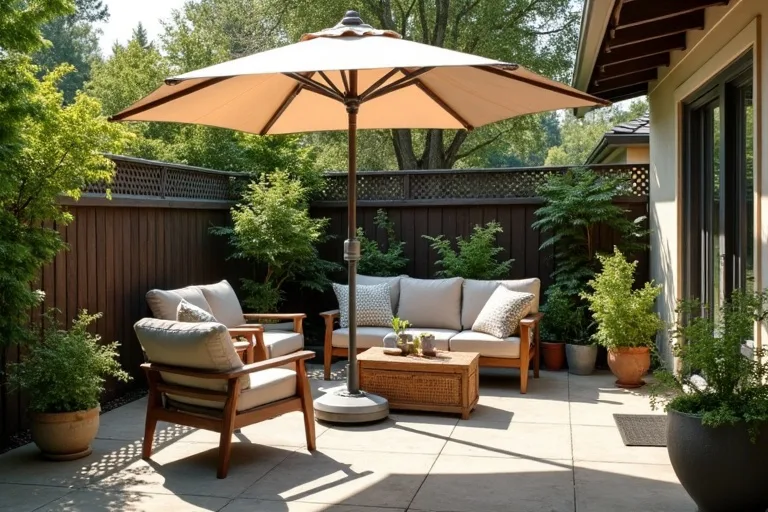
A patio can look finished on paper and still feel exposed once you step outside. The usual reason is not the furniture itself. It is the shade plan.
When the shade does not match the seating zone, the sun path, or the way people move through the space, the whole patio can feel awkward. A better shade choice usually comes from layout first and shopping second.
The biggest mistake is choosing shade without matching it to the patio layout, sun path, and seating zone. If the coverage misses the area people actually use, the patio will feel unfinished no matter how nice the furniture looks.
Why shade has to match the layout
Patio shade works best when it supports a clear outdoor zone. A dining area needs a different kind of coverage than a lounging corner, and both need more thought than simply placing something overhead. The wrong shade shape, height, or position can leave chairs in direct sun, create glare on the table, or make the whole space feel disconnected.
This is why it helps to think about the patio as a layout problem first. Where will people sit, stand, walk, and pull chairs out? Where does the strongest sun land in the afternoon? Once those answers are clear, the shade decision gets much easier.
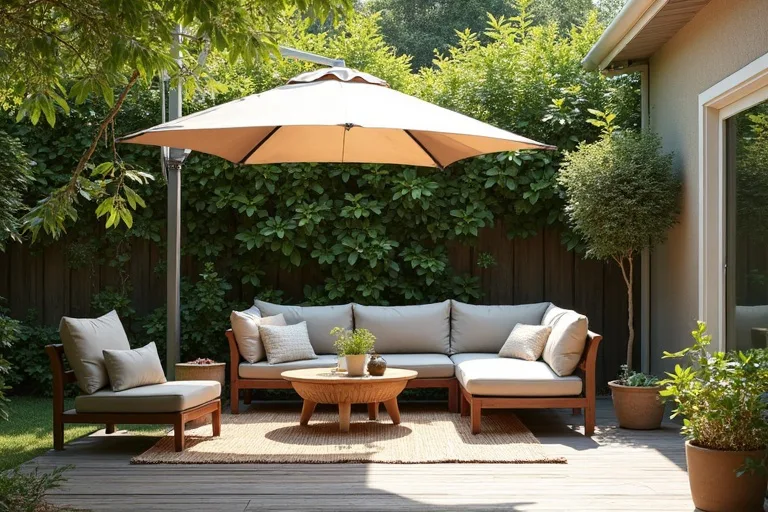
Before buying shade, mark the exact footprint of your seating or dining area and ask one question: does the shaded area cover the places people actually use, or only part of the patio? If the answer is only part, the space may still feel exposed even if the product itself looks large enough online.
The sizing and coverage mistakes
One of the most common errors is underestimating how much coverage a patio zone really needs. A small umbrella may shade the table center but leave the outer chairs and legs in the sun. A narrow sail may help with glare but still leave the edge of the seating arrangement feeling open and unfinished.
Coverage should be judged by use, not by the product name. A shade solution for a dining zone needs to protect the table area and the chairs around it. A lounging zone may need softer partial coverage so the space still feels open, but not bare.
When people rush this step, they often end up replacing the first purchase quickly. A better approach is to size the shade against the furniture layout before deciding what type to buy.
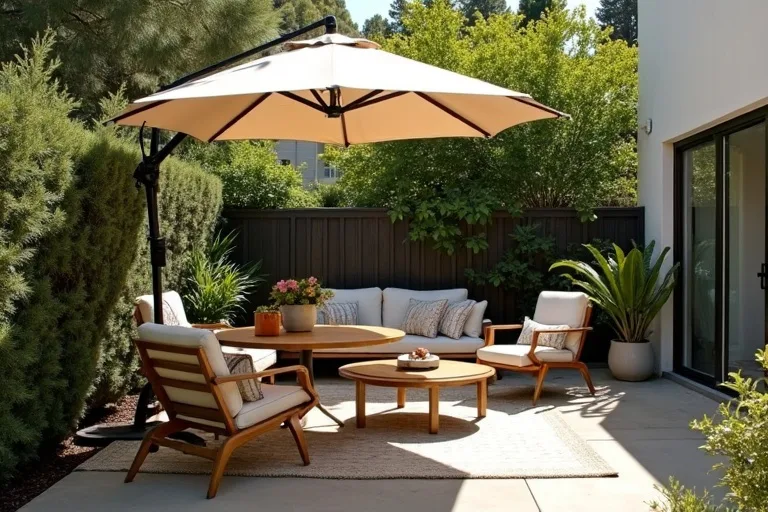
- Measure the usable patio zone, not just the slab or deck edges.
- Map where the furniture will sit, including pulled-out chairs and walking space.
- Check where the sun lands during the time you actually use the space.
- Choose shade that covers the main activity area, not just the visual center.
Placement, circulation, and furniture scale
Even a well-sized shade piece can feel wrong if it sits in the wrong place. Too close to the edge of the seating area, it may fail to cover the people using the space. Too central, it can interrupt movement or make the patio feel crowded. The goal is to keep the circulation easy while still creating a clear comfort zone.
Furniture scale matters too. A small bistro set can tolerate lighter shade than a larger conversation area. Once you add a sofa, side chairs, or a dining table with enough clearance to move around it, the shade structure needs to feel proportionate to the arrangement.
If the outdoor zone is meant for both dining and relaxing, it may need a layered approach instead of a single fix. That could mean a main shade element plus a movable umbrella for the strongest sun, or a more structured cover paired with lighter side protection.
How to choose the right shade setup
There is no single best patio shade idea. The right solution depends on how the space is used and how permanent you want the answer to be. A 9 ft patio umbrella with base can be a practical option for a flexible seating area, especially when you want movable shade that can be adjusted through the day. For a more defined outdoor room, a pergola or sail may create a stronger sense of structure.
If your patio is built around a conversation zone, the furniture and the shade should work together. A 4 piece outdoor patio conversation set can help define the layout, but it still needs enough overhead protection to keep the area comfortable rather than exposed. Shade should support the zone, not fight it.
For readers who are planning a full outdoor update, a simple layout and budget tool can help before buying. A measured plan makes it easier to see whether you need one larger shade decision or a combination of pieces.
Best next step
Map your patio layout before you buy anything. Measure the seating or dining zone, note the sun direction at the time you use it most, and test how much coverage you actually need. If you want to plan furniture placement and shade together, start with the Outdoor Living hub and a simple layout check.
- Choosing shade before deciding how the patio will be used.
- Selecting a size that covers the center but not the seating edge.
- Placing shade without checking the strongest sun direction.
- Ignoring chair pull-out space and circulation around the table.
- Using a shade type that feels too small for the scale of the furniture.
- Relying on one piece when the layout really needs layered coverage.
Patio shade feels right when it supports the layout instead of sitting on top of it as an afterthought. If the space feels exposed or unfinished, the fix is usually better sizing, better placement, and a clearer link between the shade and the furniture zone. Measure the area, check the sun path, and choose the shade plan that makes the patio feel usable first.
Helpful next tools and planners
If you want to make the decision easier before you buy
These options are useful when you are still comparing coverage, layout, and budget. They keep the decision focused on the space itself, not just the product listing.
FAQ
How do I know if my patio shade is too small?
If the shaded area does not cover the chairs, table edge, or main sitting spot during the time you use the patio, it is probably too small for the layout.
Is an umbrella enough for a dining patio?
It can be, if the table size and seating arrangement are modest and the umbrella covers the full use zone. Larger dining setups often need more coverage.
Should shade be centered on the patio?
Not always. Shade should be centered on the activity zone, which may shift depending on furniture placement and sun direction.
What is the best first step before buying shade?
Measure the patio zone and mark where the furniture will sit, then test how much of that area is exposed at the time you use it most.
Three sensible next steps
Some links in this article may be affiliate links. Read more in the Affiliate Disclosure.