Not every tired room needs a full renovation. Sometimes the floor plan is fine, the cabinets are solid, and the real problem is that the finishes feel dated or worn.
The hard part is knowing when a light update will genuinely help and when you are only postponing a bigger job. The decision becomes much easier once you separate appearance issues from layout and function issues.
Choose a refresh when the room works and only the finishes feel tired. Choose a remodel when the layout, storage, plumbing, or daily use is getting in the way.
What a refresh can actually fix
A refresh is the lighter option. It keeps the room’s basic structure in place and focuses on the parts you notice every day: paint, hardware, fixtures, lighting, textiles, and small surface repairs.
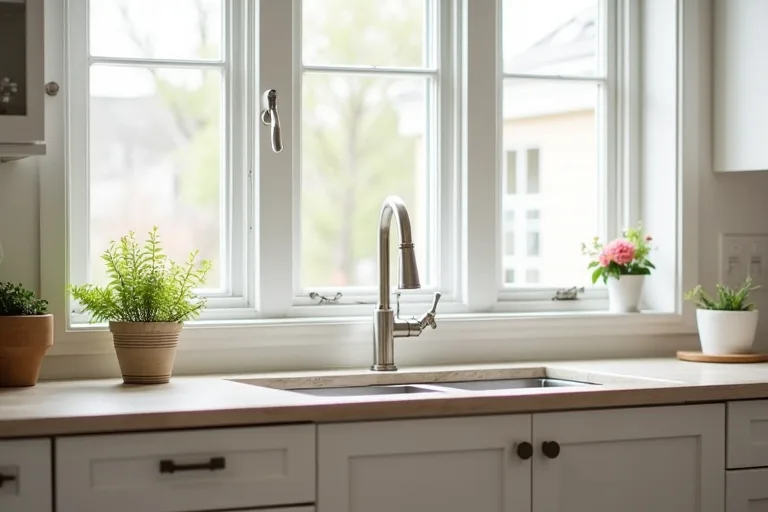
In a kitchen, that can mean a new faucet, updated cabinet pulls, a cleaner paint colour, and better lighting. In a bathroom, it might be a new mirror, a more practical vanity light, fresh caulk, and paint that makes the room feel cleaner and calmer.
The key question is whether the room already functions well. If the sink is in the right place, storage works, and the traffic flow feels natural, a refresh can often buy you several more years before a larger project is necessary.
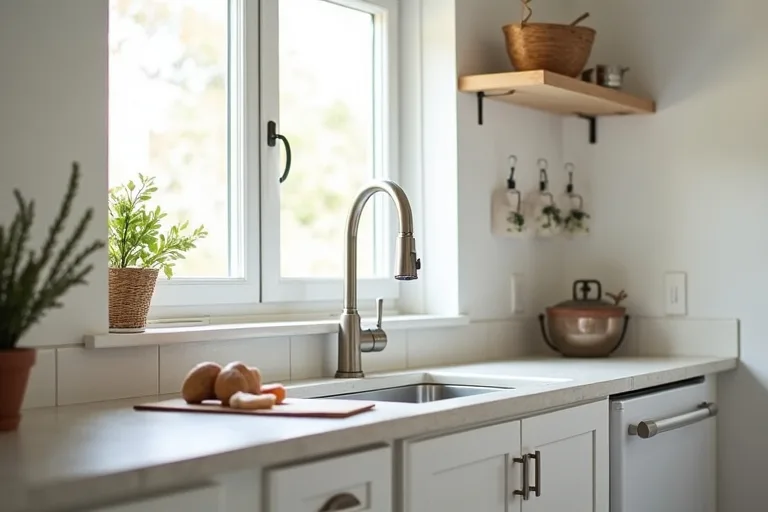
For budget-led updates, the details matter more than the size of the spend. A brushed nickel kitchen faucet pull down can make an old sink area feel more current without forcing you into a full countertop or cabinet replacement. The same logic applies to simple hardware changes that tidy the room visually without changing the structure.
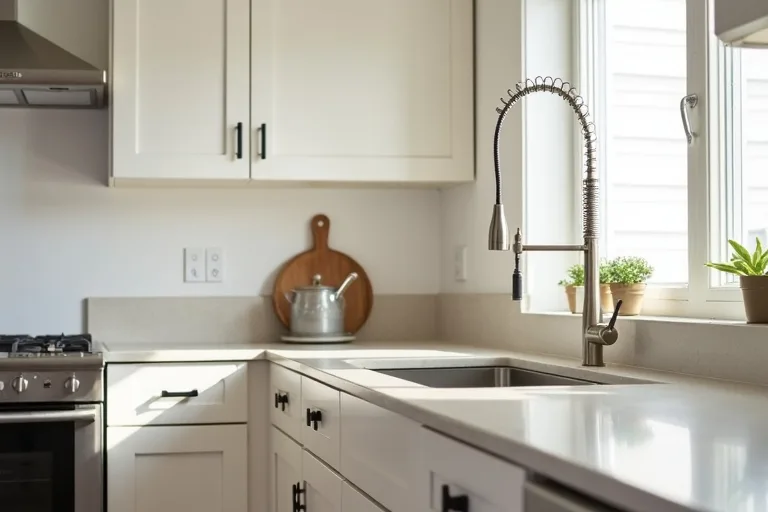
If you want to keep costs under control, start with the pieces that affect first impressions but do not require trades. Paint, cabinet hardware, faucet finishes, and lighting are often the lowest-risk places to begin.
If the room feels dated but still works, a refresh is usually enough. If you keep bumping into the same functional problem, the money is better spent on solving the layout or the feature causing the frustration.
When a remodel is the better spend
A remodel makes sense when the room’s problems are structural or functional, not cosmetic. If the storage is wrong, the layout wastes space, or the plumbing and electrical setup no longer suit how you live, a surface update will not fix the real issue.
Common signs that the project has moved beyond refresh territory include:
- The room feels cramped because the layout blocks movement.
- You lack useful storage, not just prettier storage.
- Appliances, fixtures, or fittings are in the wrong place.
- Water damage, worn surfaces, or aging systems are becoming a maintenance issue.
- You are constantly working around the room instead of using it comfortably.
That does not mean every problem needs a full-scale transformation. But once you start changing plumbing locations, moving walls, or rebuilding storage, the project has crossed into remodel planning. At that point, budget clarity matters more than style preferences.
If you are unsure whether the issue is cosmetic or structural, look at the room in use. What feels annoying every day is usually the best clue. A dated finish is easy to live with; a bad layout is not.
How to compare budget impact without overcommitting
The smartest budget decision is not simply choosing the cheapest option. It is choosing the option that solves the right problem with the least waste.
A refresh usually keeps spending concentrated in a few visible areas. That works well when the room needs a cleaner look, better durability, or a small usability upgrade. A remodel spreads cost across more categories, which is why it should be reserved for changes that genuinely improve how the room works.
Before you spend, compare the project in this order:
- Does the room function, even if it looks tired?
- Can the problem be solved with paint, hardware, lighting, or a fixture swap?
- Will any change require plumbing, electrical, or carpentry work?
- Would the same money deliver more value if you fix the layout instead of the finish?
That sequence keeps you from overspending on cosmetic upgrades when the real issue is deeper. It also prevents the opposite mistake: planning a remodel when a careful refresh would have been enough.
If you are deciding between room updates, a simple project planner can help you separate wish-list items from essential costs. For bathroom work, the bathroom remodel cost estimator is a useful starting point. For surface-level changes, the paint calculator helps you plan one of the most common refresh expenses without guessing.
If you like to map costs before buying anything, a simple spreadsheet planner can be helpful too. The Home Renovation Budget Planner Spreadsheet (Google Sheets, Excel) is built for that kind of early-stage comparison.
A simple checklist before you decide
A calm decision usually comes from one clear question: is the room missing a better look, or is it missing better function?
If you are still undecided, use this checklist as a final filter:
Choose a refresh if: the layout works, storage is acceptable, and the main issue is worn finishes, old colour, or dated fixtures.
Choose a remodel if: the room feels awkward to use, you need different storage or flow, or the existing setup keeps causing daily friction.
Pause and plan longer if: the project will involve trades, multiple materials, or any change that affects plumbing, electrical, or structural work.
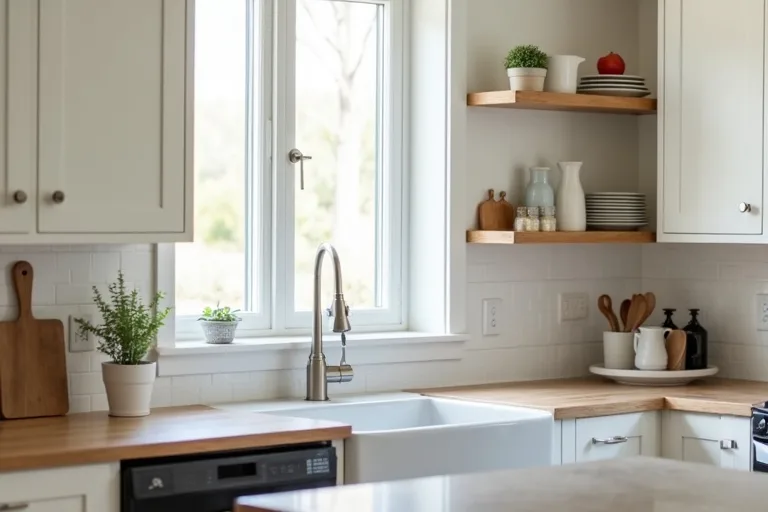
This is also where a modest upgrade can be the right compromise. A well-chosen faucet, a simpler cabinet handle style, or a repaint can make a room feel newly cared for without committing you to a bigger renovation cycle.
For a kitchen update, the brushed nickel faucet and matte black hardware approach is a practical example of how a small set of finishes can shift the room’s tone without changing the room itself.
Best next step
If your room is still in the maybe category, test the numbers before you commit to a remodel. A budget planner or cost estimator can show whether the project can stay in refresh territory.
- Buying finishes before deciding whether the room needs a layout fix.
- Calling a remodel a refresh when plumbing, storage, or traffic flow still needs attention.
- Spending heavily on visible items while ignoring the part of the room that causes daily frustration.
- Starting with products instead of a budget and a plan.
- Choosing upgrades that look good but do not make the room easier to use.
A refresh is enough when the room functions and only the surfaces feel tired. A remodel is worth it when the layout or daily use is the real problem. If you are on the fence, check the budget first, then decide whether a light update can genuinely solve the issue before you spend on something larger.
Helpful next tools and planners
If you want to make the decision easier before you buy
These are simple planning tools and a few practical product ideas for the early stage, when you are still deciding whether the project belongs in refresh or remodel territory.
FAQ
How do I know if my kitchen needs a refresh or a remodel?
If the cabinets, layout, and storage work but the finishes feel tired, a refresh is usually enough. If the room is awkward to use or the work zones are in the wrong place, remodel planning is more appropriate.
What is the cheapest upgrade with the biggest visual impact?
Paint, hardware, and a faucet swap are often the most efficient starting points. They change what you see every day without opening up the room.
Should I update finishes before I plan the layout?
No. Decide whether the room has a functional problem first. If it does, fix that before you spend on surface upgrades.
What should I use before I commit to a bigger project?
A budget planner or cost estimator is a good first step. It helps you see whether the project can stay simple or whether it really needs a remodel.
Three sensible next steps
Some links in this article may be affiliate links. Read more in the Affiliate Disclosure.