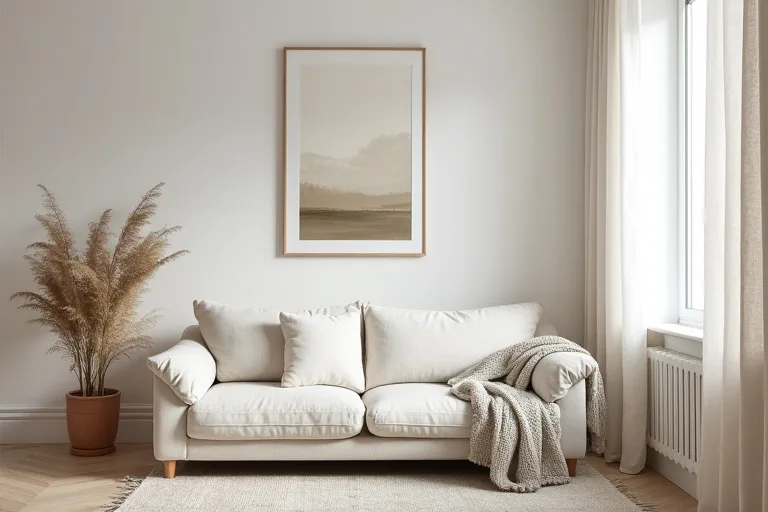
Scandinavian style can look simple until you start buying pieces. Then the room can quickly drift from calm to mismatched if the scale, material, and layout do not work together.
This checklist keeps the decision practical. Before you buy signature pieces, use the room you already have as the starting point, then choose only the items that support the space, not the other way around.
Check layout, scale, color, and material fit before buying any Scandinavian signature pieces. The best purchases are the ones that make the room feel lighter, quieter, and easier to live with.
What Scandinavian style should do in the room
Scandinavian interior design works best when it reduces visual noise. In practice, that means clear surfaces, useful furniture, soft light, and a palette that supports the room without competing with it. The style is not just about white walls or pale wood. It is about creating a room that feels open, balanced, and easy to maintain.
Before buying anything, ask what the room needs most. Some rooms need more softness. Others need better flow. A few only need one or two strong pieces to stop the space feeling unfinished. That decision matters more than chasing a full look.
For a calm reference point, the Scandinavian approach usually includes natural textures, simple shapes, and restrained contrast. If you want a broader overview of how the style sits within the rest of the home, start with the Design Styles hub.
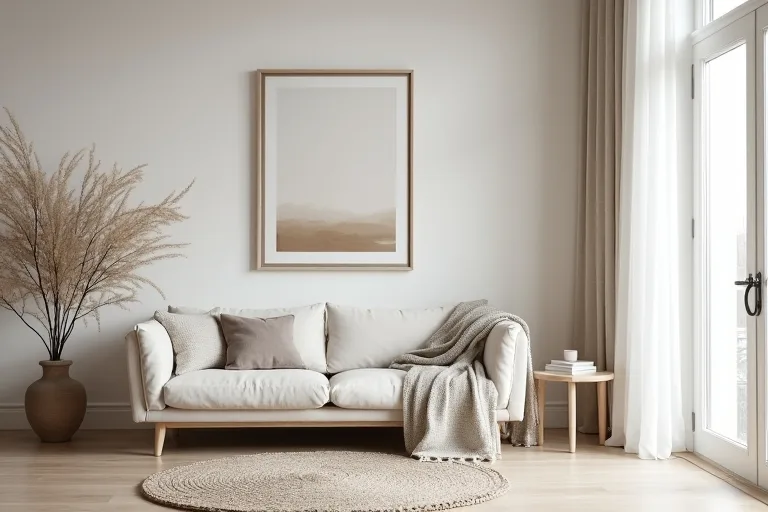
If a piece looks right in isolation but adds visual weight, blocks light, or competes with the existing room layout, it is probably the wrong buy. Scandinavian style should make the space feel simpler, not more decorated.
Check layout and scale before you shop
Most Scandinavian-style buying mistakes happen because the room plan was not clear first. A curtain panel, rug, chair, or art set can all be technically “right” for the style and still feel wrong if the size or placement is off.
Use the room in this order:
- Confirm where the eye lands first when you enter.
- Check which walls, windows, or furniture zones need visual support.
- Measure the key spans before buying anything framed, hung, or upholstered.
- Decide whether the room needs one focal point or several quieter pieces.
For bedrooms especially, scale is easy to get wrong because the room often needs more than one function. If you are working on a sleep space, the Bedroom Ideas guide can help you think through the room as a whole before you choose a single signature item.
It also helps to use a planning tool if the space feels visually crowded or awkward. A simple layout check can prevent buying curtains that hang too short, wall art that feels too small, or furniture that visually compresses the room. The Room Layout Planner is a useful next step when you want the style choice to fit the room plan first.
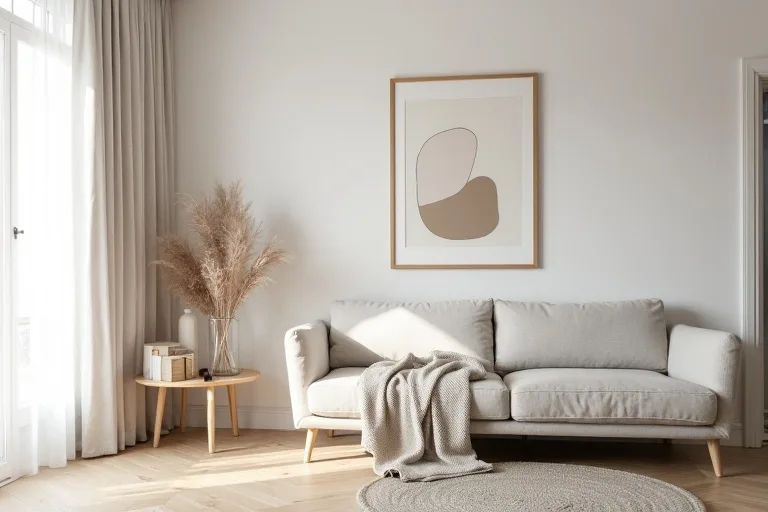
Choose materials and finishes that stay calm
Scandinavian interiors often depend on material restraint. A room can lose its calm quickly if every surface reflects light differently or if every object asks for attention. The better question is not whether a piece is attractive on its own, but whether it belongs to the same material story as the rest of the room.
Natural-looking textures usually work well because they soften the room without making it feel busy. Linen, light wood, wool, matte paint, and simple framing are all easy to live with. In a small space, those choices can also help the room feel less crowded.
If you are comparing a few options, look for the finish that disappears the least into the room. A plain curtain panel can be the right choice if it filters daylight gently. A simple framed print can work better than a statement piece if the wall already has a strong architectural feature. In Scandinavian rooms, restraint usually creates more impact than decoration.
When you are ready to style the windows or walls, neutral, well-made pieces are often the safest finishing layer. Linen curtain panels neutral can soften the room without adding visual weight, and a neutral abstract wall art framed set can finish a blank wall without pushing the palette away from the rest of the space.
Pick the signature pieces that matter most
You do not need many items to make a Scandinavian room feel finished. In fact, too many small purchases are one of the fastest ways to lose the calm that the style depends on. It is usually better to choose one or two pieces that do real work in the room and leave the rest quiet.
Start by deciding which missing layer is most visible. Is the room lacking softness, structure, or a focal point? That answer will tell you whether to prioritise curtains, wall art, lighting, or a single piece of furniture. If the room already has strong bones, the finishing pieces may be enough.
For people who want a simpler way to plan before spending, a lightweight room system can help separate the must-have decisions from the nice-to-have ones. A digital planning bundle such as the Home Planning System Bundle, Room Makeover, Small Space, Budget Tool (Digital Download) can be useful if you want to map the room, budget the changes, and avoid impulse purchases before you shop.
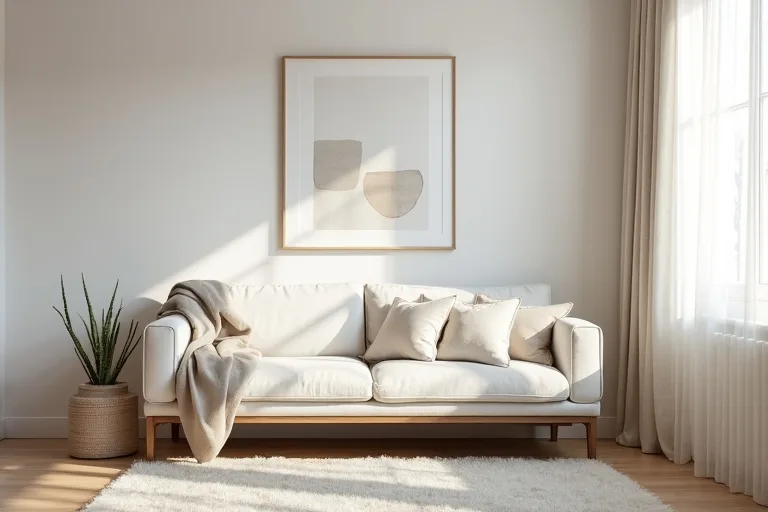
Best next step
If you are still unsure what to buy first, pause before shopping and check the room plan. The easiest Scandinavian rooms are usually the ones where the layout is clear and the signature pieces are chosen to fit that plan.
- Buying curtains before checking window height and drop.
- Choosing wall art that is too small for the wall it needs to anchor.
- Mixing too many finishes, which makes a calm room feel busy.
- Adding several decorative pieces when one stronger piece would do the job.
- Using “Scandinavian” as a label instead of checking whether the item suits the actual room.
Scandinavian style works best when you buy with the room plan in mind. Check layout, scale, color, and material fit first, then choose one or two signature pieces that simplify the space. That is usually enough to create the calm, practical finish the style is known for.
Helpful next tools and planners
If you want to make the decision easier before you buy
These are useful if you want to sanity-check the room, refine the styling direction, or keep the budget and layout in view before ordering.
FAQ
How do I know if a piece feels Scandinavian enough?
Check whether it keeps the room light, simple, and practical. If it adds visual weight or competes with the rest of the room, it may not be the right fit.
Should I buy curtains or wall art first?
Usually curtains come first if the room needs softness or better light control. Wall art comes first when the room already feels balanced but needs a focal point.
What materials work best for this style?
Natural-looking, low-fuss materials are usually the safest choice, such as linen, light wood, wool, and matte finishes.
Can Scandinavian style work in a small room?
Yes. It often works especially well in small spaces because it depends on restraint, simple lines, and careful scale rather than heavy decoration.
Three sensible next steps
Some links in this article may be affiliate links. Read more in the Affiliate Disclosure.