
If your living room feels awkward, the problem is often not the sofa itself. It is usually the layout around it: walkways that are too tight, a focal point that is not clear, or furniture that was bought before the room plan was settled.
This checklist keeps the decision simple. Measure first, test the flow, and only then decide whether you need to move what you already own or order something new.
Measure the room, map traffic flow, confirm sofa size, and test the layout before buying anything. If the sofa fits the walls but blocks movement or sightlines, the issue is the arrangement, not the furniture style.
Start with the room, not the sofa
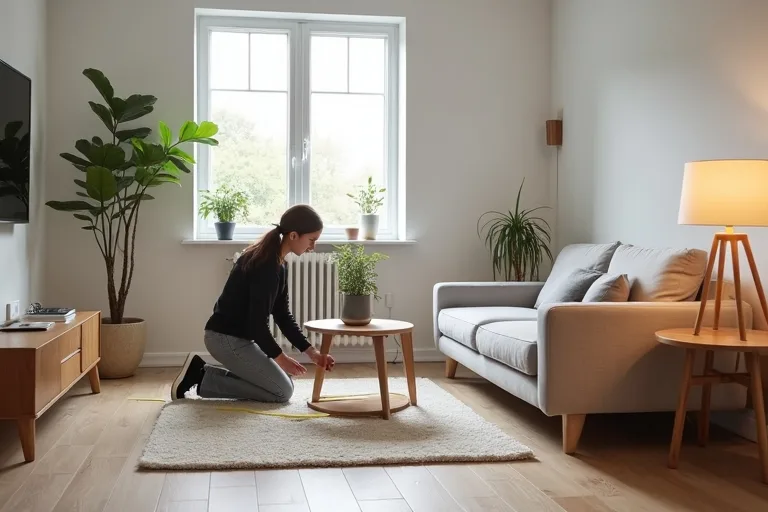
Before you think about shape or fabric, look at the room as a whole. Measure the wall lengths, note window and door positions, and mark where radiators, outlets, and fixed features sit. These details decide what is possible long before styling comes into play.
It also helps to sketch the room at a simple scale or use a digital planner. That gives you a clearer sense of what can actually live in the space without crowding the path from one side of the room to the other.
When you know the room limits, you can stop guessing. A sofa may look right in photos and still be the wrong choice if it steals circulation space or fights the layout of the room.
If you can only place the sofa by pushing it into a doorway, blocking a window, or shrinking the main walkway, the room needs a different layout rather than a faster purchase.
Check fit, flow, and focal point
Once you know the room dimensions, compare the sofa against the wall lengths and the spaces people actually use. Good layout is not only about whether the sofa fits; it is about whether the room still feels easy to cross, sit in, and live with.
Decide what the room is meant to support most: TV watching, conversation, a fireplace, or a more flexible family zone. That focal point shapes where the sofa should sit and how much distance you need in front of it.
- Confirm sofa depth and length against the wall it will sit on.
- Check that the main walkway stays open.
- Make sure there is enough clearance for doors, drawers, and side tables.
- Stand back and test whether the focal point still feels intentional.
Test the arrangement before you buy
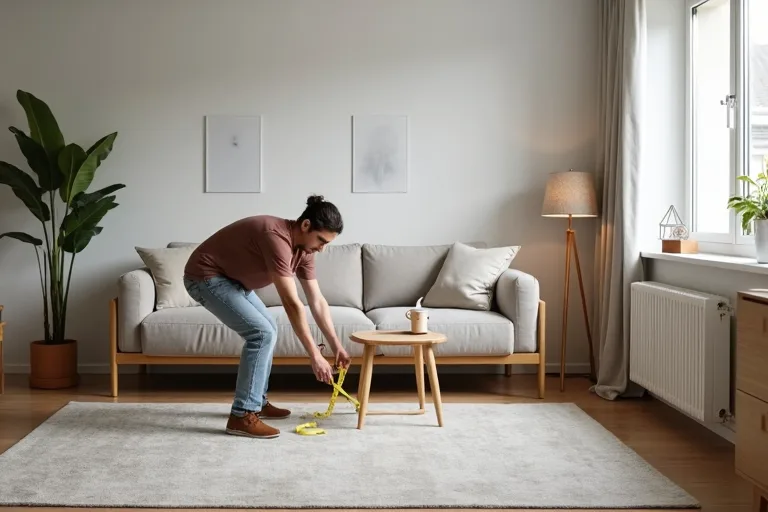
A layout should work in real life, not only on paper. Use painter’s tape, boxes, or a simple floor sketch to mark the sofa footprint and the key pieces around it. Then walk through the room the way you use it every day.
Pay attention to the parts people forget: where you set a drink, whether the lamp is close enough to be useful, and whether the seating feels balanced from one side of the room to the other. If the sofa is right but the surrounding pieces are wrong, the whole room can still feel off.
This is where smaller items matter. A pair of table lamps, for example, can help the room feel finished only after the main seating plan is sound. Neutral throw pillow covers can support the scheme later, but they should not be the reason to keep a layout that does not function.
Choose the next purchase only after the plan works
When the layout is working, your next decision becomes much easier. If the sofa size is the main issue, start there. If the room feels tight but the sofa is fine, you may only need to adjust the coffee table, lighting, or rug scale.
That is also the moment to think about practical add-ons. A well-placed lamp, a better side table, or a planner that keeps the room budget and measurements in one place can save you from buying the wrong thing twice.
If you want a calm way to move from planning to shopping, use a sizing tool first and then a full room planner. That sequence keeps the purchase tied to the layout, not the other way around.
Best next step
Confirm the sofa dimensions first, then test the full room arrangement before you buy anything else. If the seating plan is still uncertain, these tools will help you narrow it down without overthinking the room.
- Buying a sofa before measuring doors, walls, and walking space.
- Choosing a layout that looks neat but blocks the natural route through the room.
- Ignoring the focal point and placing the sofa where it does not support how the room is used.
- Adding accessories before the core arrangement works.
- Forgetting to check how lamps, side tables, and outlets will function in daily use.
The best sofa layout is the one that fits the room, supports the way you live, and leaves enough space to move comfortably. Measure first, test the flow, and only then decide whether to keep, move, or buy furniture. If you want more certainty before spending, start with a sofa sizing check and then map the full room layout.
Helpful next tools and planners
If you want to make the decision easier before you buy
These are useful once you have a layout in mind. They are best used after the room plan is clear, so you can choose pieces that support the space instead of crowding it.
FAQ
How do I know if my sofa is too big for the room?
If the sofa leaves no comfortable walkway, crowds doors or windows, or makes the room feel difficult to use, it is probably too large for the space or the layout needs to change.
Should the sofa always face the TV?
No. The sofa should support the main purpose of the room. In some rooms that means TV viewing, but in others conversation or a fireplace may be the better focal point.
Is it better to buy the sofa first or plan the room first?
Plan the room first. Once the layout is clear, it is much easier to choose a sofa size and shape that fits without forcing the rest of the room to work around it.
What is the simplest way to test a new sofa layout?
Mark the sofa footprint on the floor with tape or boxes, then walk through the room and check whether the seating area, pathways, and side table positions still feel practical.
Three sensible next steps
Some links in this article may be affiliate links. Read more in the Affiliate Disclosure.