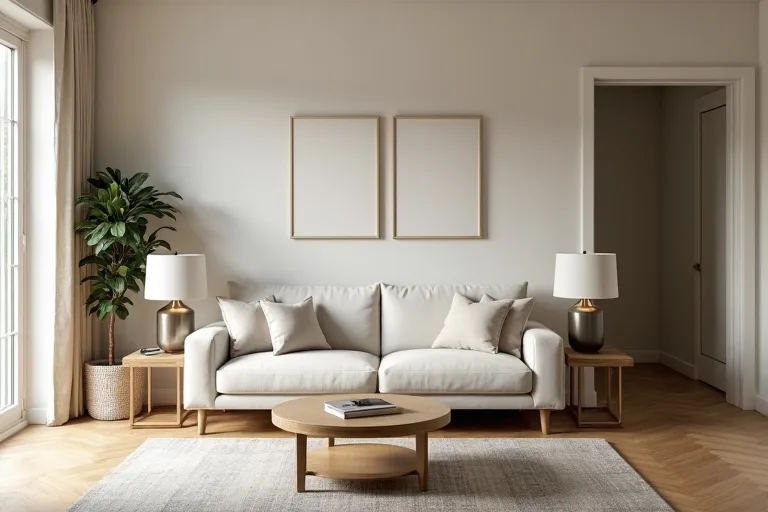
If a living room feels awkward, the problem is often layout before furniture. A sofa that is too large, too deep, or placed in the wrong spot can block movement and make the room feel smaller than it is.
The good news is that you do not need to buy anything new to test better sofa layout ideas. A few careful measurements and a simple plan can show you where the sofa should go, what kind of seating actually works, and whether the room needs a different shape of furniture at all.
Start by mapping traffic paths, then test the sofa placement that leaves the clearest walkways and best seating balance. In most rooms, the best layout is the one that protects circulation first and styling second.
Start with the walkway, not the sofa
Before you compare sofa styles, look at how people actually move through the room. The path from the door to the seating area, the route to a balcony or hallway, and the space around a coffee table matter more than the sofa itself.
In a small or narrow room, pushing a sofa against the longest wall is not always the best answer. Sometimes the room flows better when the sofa sits slightly off the wall, leaving a clear lane behind it or beside it. In open-plan spaces, the sofa may work better as a soft divider rather than a wall-hugging piece.
Use the room as it is, not the room you wish you had. If a sofa placement interrupts the natural route through the space, it will feel wrong even if the sofa looks good on paper.
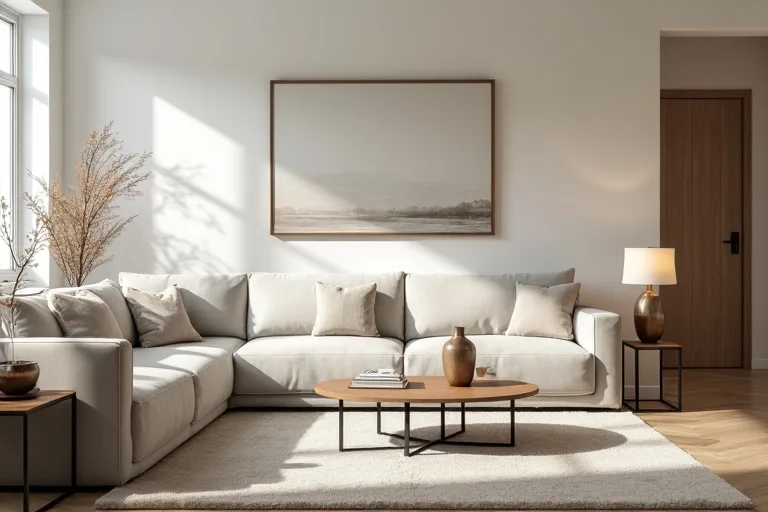
The real decision is not “Which sofa do I like?” It is “Which layout lets people move through the room easily, sit comfortably, and still see the focal point without squeezing past furniture?” If you cannot answer that clearly, pause the shopping and test the layout first.
Choose the layout that fits the room shape
Different room shapes usually want different sofa placements. A layout that works in a square family room can feel clumsy in a long narrow living room, and a room with a doorway in the middle needs more care than a simple blank wall.
Here is a simple way to think about common layouts:
- Long, narrow rooms: Keep the main sofa aligned to preserve a straight circulation route and avoid placing bulky pieces in the center of the path.
- Square rooms: Centering the sofa on the main focal point can work well if you leave enough breathing space around the seating group.
- Open-plan rooms: A sofa can help zone the space if its back defines the seating area without blocking movement.
- Rooms with a fireplace or TV: Place the sofa so the viewing angle feels natural, but do not force the whole room around one feature if it creates a squeeze elsewhere.
If you are not sure which size or placement suits the room, use the sofa size calculator before you commit to a purchase.
Check spacing around doors, tables, and sightlines
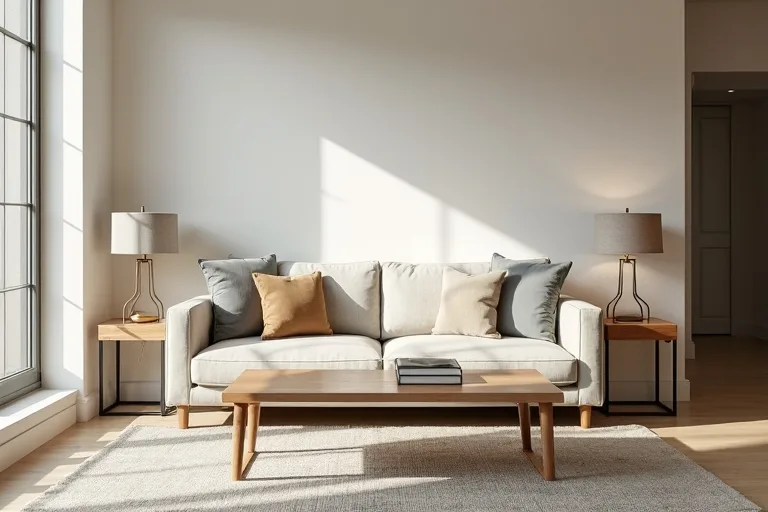
Good flow comes from the distances between objects, not just where the sofa sits. Once you have a likely placement, check the areas where people will actually walk, set drinks down, and look across the room.
The best layout usually does three things at once: it leaves a comfortable route through the room, it gives the coffee table enough breathing room, and it keeps the main sightline open toward the focal point. If one of those three breaks down, the whole room can feel off.
Measure the space between the sofa and the coffee table, the sofa and the wall, and the sofa and any door swing. Then step back and see whether the room still feels open when you imagine day-to-day use: carrying laundry, opening drawers, or moving between rooms.
The room layout planner is useful here because it helps you test the room before you buy anything new.
Decide whether you need one sofa, two sofas, or a sectional
Sometimes the question is not where the sofa goes, but what kind of seating the room can support without crowding it. A sectional can solve a seating problem in one room and create a traffic problem in another.
Use the room’s shape and daily use to guide the decision:
One sofa: Best when the room needs openness, flexibility, or a clean path to another area.
Two sofas: Useful when the room is large enough to create a balanced conversation area without blocking movement.
Sofa plus chairs: Often the easiest choice when you want lighter visual weight and more ways to rearrange the room over time.
Sectional: Works best when the room can hold its footprint without pinching circulation or forcing all furniture against the walls.
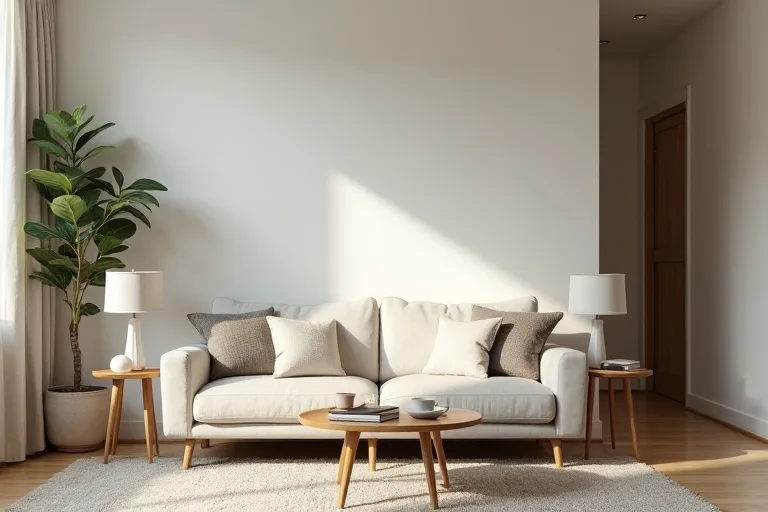
Once the layout is clear, it becomes easier to choose the smaller details that support it, such as side tables, lamps, and cushions. For example, a pair of table lamps set of 2 living room can help finish a seating plan without changing the room’s structure, and neutral throw pillow covers set living room can keep the look calm while you settle on the final arrangement.
Best next step
Before you buy a new sofa, test the room on paper and confirm the size you actually need. A small planning step now can prevent a much bigger mistake later.
- Buying a sofa before checking the room’s walkways.
- Choosing a layout that blocks a doorway or makes the seating area hard to enter.
- Leaving too little space around the coffee table or side tables.
- Forcing the room to face one focal point when the traffic flow needs a different solution.
- Picking a sectional because it seems convenient, then realizing it dominates the room.
- Skipping a simple measurement check and hoping the sofa will “just work” once it arrives.
The best sofa layout is the one that makes the room easier to use every day. Start with traffic flow, then check spacing, then decide whether one sofa, two sofas, or a sectional fits the room best. Once the layout is clear, styling details like lamps, pillows, and other small purchases become much easier to choose.
Helpful next tools and planners
If you want to make the decision easier before you buy
A simple planning tool can save you from buying furniture that looks right but works poorly in the room. These options are most useful once you know your layout direction.
FAQ
How do I know if my sofa is in the right place?
If people can move through the room without edging around furniture, and the seating still feels connected to the focal point, the placement is usually on the right track.
Should a sofa always sit against the wall?
No. In some rooms, pulling the sofa away from the wall improves flow and makes the layout feel more intentional.
What if my room is too small for the sofa I want?
That is usually a layout or sizing issue, not just a style issue. Test a smaller sofa, a different orientation, or a chair-based arrangement before buying.
What should I do before ordering anything new?
Measure the room, map the walkways, and test the sofa size with a layout tool so you can compare options with more confidence.
Three sensible next steps
Some links in this article may be affiliate links. Read more in the Affiliate Disclosure.