
Studio apartment planning gets easier when you stop trying to make every corner do everything. The real question is not whether the room looks styled enough. It is whether the layout gives you clear zones for sleep, work, storage, and daily movement.
That is why the best studio apartment layout ideas usually fall into two groups: low-cost fixes that improve what you already have, and larger upgrades that solve a stubborn storage or flow problem. The right choice depends on how the room is actually used, not on how much you want to spend.
Start with layout and storage needs first, then upgrade only where the room still feels tight. In a studio, a simple storage plan and clear circulation often do more than buying bigger furniture too early.
Set the layout goal before you compare furniture
Before you choose between a budget setup and a bigger space-saving upgrade, decide what the room needs to do every day. A studio apartment usually has to cover sleeping, working, eating, and storing items without feeling crowded. If those functions overlap in the wrong way, the room can feel messy even when it is tidy.
Start by marking the main zones: where you sleep, where you work or eat, where you drop bags and shoes, and where storage can live without blocking the path. A compact layout works best when the walking route stays simple and each zone has one clear job.
One useful way to test this is with a planner before buying anything. It is much easier to see whether a desk, storage cube, or console table will fit if you sketch the room first.
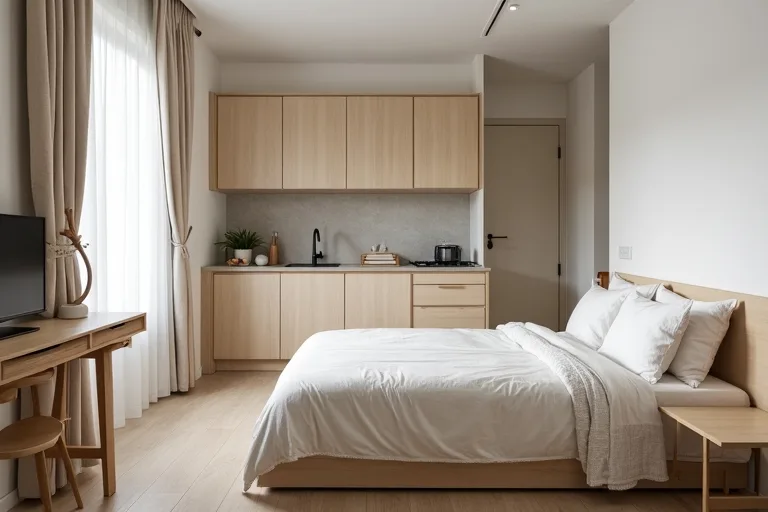
If the room feels tight, ask one question: is the problem really storage, or is it poor placement? A small studio can often feel better with better zoning and fewer obstacles. If the room still breaks down after that, the upgrade you need is probably furniture with built-in storage, not more decor.
Budget-friendly changes that usually help most
Budget studio apartment layout ideas are most effective when they improve storage and circulation at the same time. That usually means choosing furniture that can sit close to a wall, leaving the center open, and using pieces that hold more than one category of item.
A few low-cost changes can make a noticeable difference:
- Use one storage zone instead of spreading small items across several spots.
- Keep the entry area narrow and clear so the room starts feeling organized immediately.
- Choose furniture with a slim footprint rather than wide pieces that interrupt the path.
- Use vertical storage where possible so the floor stays open.
An 8 cube storage organizer fits this approach well because it can work as open storage, hidden storage with bins, or a room divider in a small studio. It is not the fanciest option, but it can be useful when the room needs structure more than decoration.
A narrow console table with storage is another smart budget-friendly move for an entry wall, behind a sofa, or along a blank hallway-like strip in the apartment. It gives you a drop zone without taking over the room.
When a bigger space-saving upgrade is worth it
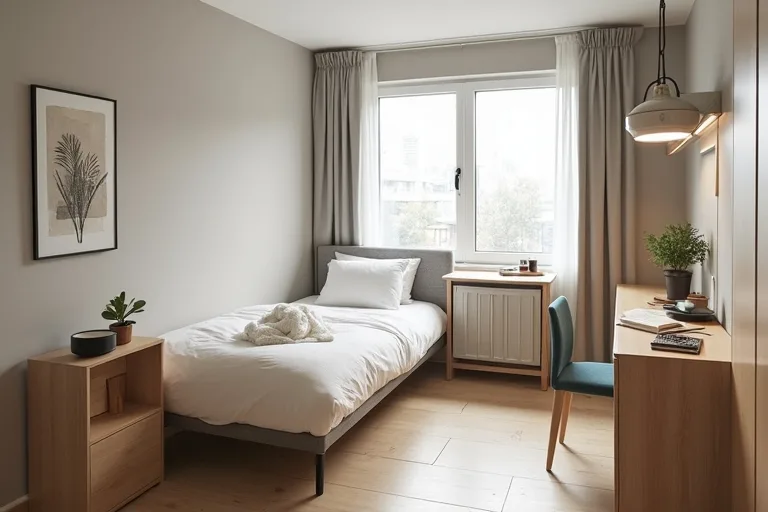
Sometimes the budget approach reaches its limit. If the room still feels cramped after you have fixed the layout, the next move may be a larger upgrade with better built-in function. In a studio, that often means furniture that hides clutter, separates zones, or replaces more than one piece.
This is the point where a bigger upgrade makes sense:
- you keep moving storage around because nothing has a permanent place
- your work area and sleep area keep overlapping in a way that creates daily friction
- the entry is swallowing valuable floor space
- you need one piece to do a job that two smaller pieces are currently trying to cover
That kind of upgrade does not need to be dramatic. It may simply be a better storage unit, a more useful console table, or a more intentional room layout plan. If you are considering a purchase because the room feels off, the question is whether the item solves the layout problem or only hides it.
For some people, a small digital planning tool is the better upgrade than another furniture purchase. The Small Space Furniture Planner, Room Layout Spreadsheet (Digital Download) can help you map zones and compare ideas before you spend money. It is especially useful if the studio has awkward proportions or several possible furniture placements.
Choose the next step that matches your room
If you are still unsure where to begin, work in this order: plan the zones, test circulation, then choose storage. That sequence keeps you from buying the wrong piece just because it looks like a quick fix.
The most helpful next step for many studio renters and owners is a room layout planner. It gives you a way to test whether the bed, desk, storage, and entry path can all coexist without crowding each other. Once that is clear, the buying decision becomes much easier.
If you want a more structured planning process, start with the Room Layout Planner. If you want to explore the broader small-space advice next, the Small Spaces & Storage hub is the best place to continue. And if your layout is still in the early stage, the room layout planner tools page can help you decide what belongs where before you shop.
Best next step
Use the planner first, then buy storage with a clear purpose. That keeps a studio apartment from becoming a collection of partly useful furniture. Once the zones make sense, the right storage piece usually becomes obvious.
- Buying storage before deciding where each zone will live.
- Choosing furniture that is too deep for a small walking path.
- Letting the entry area collect items that should have a single home.
- Using too many small pieces instead of one clear storage solution.
- Skipping the planning stage and hoping the room will sort itself out later.
In a studio apartment, the smartest layout choice is usually the one that improves flow first and adds storage second. Budget fixes work well when the problem is placement. Bigger upgrades are worth it when the room still feels cramped after the zones are set. Plan the layout before you buy, and a simple piece like an 8 cube storage organizer becomes a much easier decision.
Helpful next tools and planners
If you want to make the decision easier before you buy
These are practical next steps for a small studio: one planning tool, one layout helper, and one flexible storage option that can adapt as the room changes.
FAQ
What is the first thing to plan in a studio apartment?
Start with the main zones: sleep, work or dining, storage, and entry flow. Once those are clear, furniture choices are much easier.
Is a budget studio layout always the better choice?
Not always. Budget fixes are best when the room mostly needs better organization. If the layout itself is the problem, a larger space-saving upgrade may be worth it.
Where does an 8 cube storage organizer work best?
It works well where you need one storage block that can handle bins, books, supplies, or a partial room divider without taking over the room.
Do I need a room planner before buying furniture?
If your studio has limited space, yes, it is often the safest first step. A planner helps you avoid purchases that look useful but do not fit the way you live.
Three sensible next steps
Some links in this article may be affiliate links. Read more in the Affiliate Disclosure.