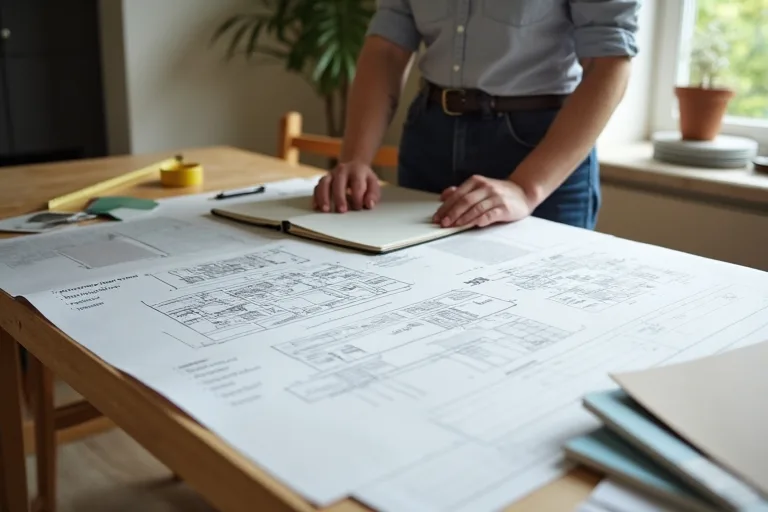
Whole home renovation planning is less about picking finishes and more about making the early decisions that keep a project steady. When you know what matters most, what each room needs, and what order the work should happen in, the rest gets easier.
That kind of planning also helps you avoid the expensive kind of indecision: buying before measuring, changing the scope halfway through, or discovering that one room depends on another. A clear plan gives you room to pause, compare, and spend with purpose.
Start with priorities, budget, and room sequence before you buy anything.
What whole home renovation planning really covers
A full-home renovation is not one decision. It is a chain of smaller decisions that affect each other. Layout, structure, finishes, storage, lighting, and budget all need to work together, or the project starts to feel harder than it should.
Good planning usually begins with a simple map of the house: which rooms are changing, which ones can stay as they are, and which spaces set the tone for the rest. That makes it easier to see where money has the most impact and where a lighter touch is enough.

If you are working through scope and budget at the same time, the Remodel & Budget hub is a sensible place to start. It keeps the focus on planning before purchases, which is usually where the biggest mistakes are prevented.
The real decision is not which product looks best online. It is whether the room needs a major change, a repair, or a careful refresh. When you separate those three categories early, the budget becomes much easier to control.
How to set priorities before design choices
Before you compare tile, paint, lighting, or flooring, decide what the home needs most. Some rooms may need layout changes. Others may only need updates that improve daily use. A clear priority list keeps the renovation from becoming a collection of disconnected ideas.
A useful way to sort the work is:
- Fix anything that affects safety, structure, or function first.
- Decide which rooms are hardest to use and need the most attention.
- Keep or reuse anything that is still working well.
- Save finish decisions for after the room sequence is clear.
This order is especially helpful in a whole home project, because one room often depends on another. If you change the kitchen, for example, that may affect flooring, circulation, and the timing of nearby work.
Budgeting room by room without losing control
Room-by-room budgeting is the easiest way to keep a large renovation grounded. It lets you see where the biggest spend belongs, where you can stay practical, and where a smaller upgrade can still make the house feel more resolved.
That does not mean treating each room as if it exists alone. It means assigning a clear scope to each space so you can compare tradeoffs honestly. A bathroom may justify a larger share of the budget because it has plumbing and electrical work. A bedroom may need little more than paint, storage, and lighting.
If you want a simple place to keep everything organized, the Home Renovation Budget Planner Spreadsheet can help you track room priorities, costs, and purchase timing in one place. It is useful when the plan is still changing and you want fewer moving parts.
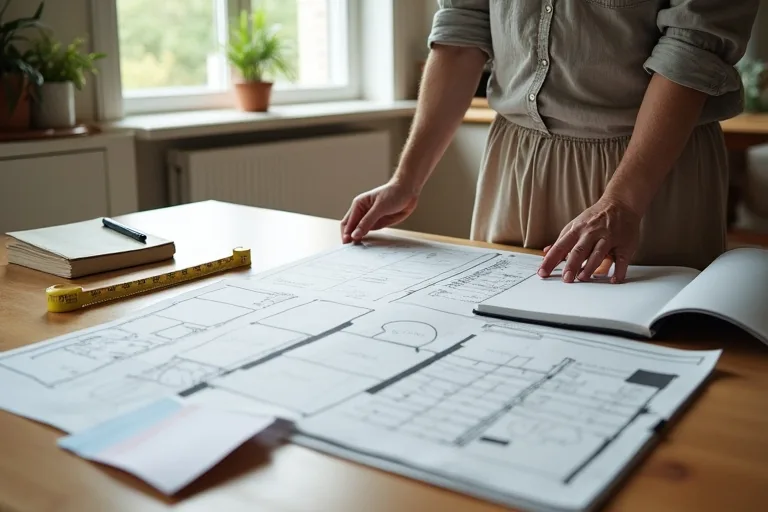
For readers who prefer to break the project into smaller steps, the tools hub is a good follow-up. It is easier to make confident choices when you are working with one room, one dimension, or one calculator at a time.
Sequencing work and choosing practical upgrades
The order of work matters almost as much as the work itself. Demolition, rough-in work, repairs, flooring, paint, and final fittings need to follow a sensible sequence so you do not redo completed areas or trap yourself in avoidable delays.
When you are planning a whole home renovation, a practical sequence is usually more useful than a perfect one. It is better to keep the project moving cleanly than to chase an ideal order that creates more disruption. If one room depends on another, let that relationship decide the timing.
This is also where budget-friendly upgrades can play a helpful role. In some rooms, small changes are enough to improve the result without expanding the project. A simple example is a kitchen surface update that avoids a full cabinet replacement. For a lighter refresh, a product like peel and stick backsplash tile kitchen can be a practical bridge when the room needs a cleaner finish but not a full rebuild. In bathrooms, a new led vanity light fixture bathroom can improve the room’s function and make the space feel more finished without changing the whole layout.

Keep those upgrades in perspective. They work best when they support a clear plan, not when they are used to avoid making the plan.
Best next step
If you want to turn a broad renovation idea into something manageable, start with the hub and the planner. That gives you a place to sort scope, costs, and room priorities before you begin shopping or scheduling work.
- Buying finishes before the room sequence is clear.
- Budgeting one room at a time without checking how the rooms affect each other.
- Keeping every original feature by default, even when some items should be repaired or replaced.
- Choosing decorative upgrades before the functional work is settled.
- Skipping a planning tool and trying to hold the whole project in your head.
A whole home renovation becomes much calmer when you start with priorities, budget, and sequence. Once you know which rooms matter most, what can stay, and what should happen first, you can make better choices with less stress and fewer surprises.
Helpful next tools and planners
If you want to make the decision easier before you buy
These are the most useful next steps for keeping a renovation organized. They are designed to support planning first, then purchasing.
FAQ
How do I start planning a whole home renovation?
Begin with the rooms that matter most, the work that cannot wait, and the budget you can actually hold. Then decide the sequence before you choose finishes.
Should I plan room by room or all at once?
Do both. Set the overall direction for the house first, then build the budget and scope room by room so you can see where the money goes.
What should I decide before shopping?
Measure the space, define the room’s purpose, confirm the work sequence, and set the budget range. Shopping without those basics usually creates more revisions later.
When is a planner or tool worth using?
As soon as the project has more than one room or more than one budget category. A planner helps keep priorities, costs, and timing in one place.
Three sensible next steps
Some links in this article may be affiliate links. Read more in the Affiliate Disclosure.