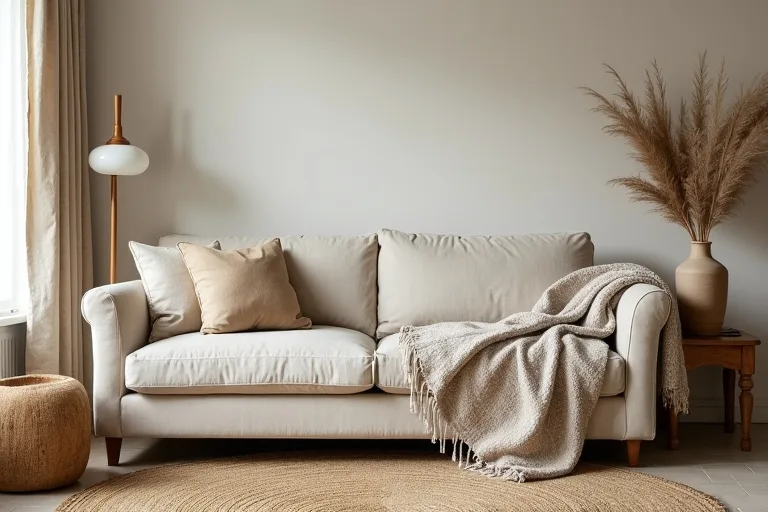
Boho interior design can look effortless when it is done well, but that does not mean it happens by accident. The strongest boho rooms usually have a clear base, then a few layered pieces that add warmth, texture, and personality without taking over the space.
If you are trying to decide whether boho suits your home, the useful question is not whether you like the style in photos. It is whether your room can handle the mix of pattern, material, and relaxed styling without losing flow, function, or calm.
Boho style is a layered, relaxed look built from texture, pattern, natural materials, and personal pieces.
What boho style really means
Boho interior design style is less about matching furniture and more about creating a room that feels collected over time. It often combines woven textures, natural fibers, soft fabrics, patterned accents, handmade-looking details, and pieces that feel personal rather than polished.
That freedom is what makes boho appealing, but it is also where rooms can drift into clutter. A calm boho room usually starts with a quiet base: a simple sofa, a plain rug, a restrained wall color, or a bed that is not competing with every accessory around it. From there, the style comes through in the layers.
Use the style when you want a room to feel relaxed, lived-in, and a little more expressive than a minimal interior. It works especially well when you prefer warmth, texture, and soft edges over hard symmetry.
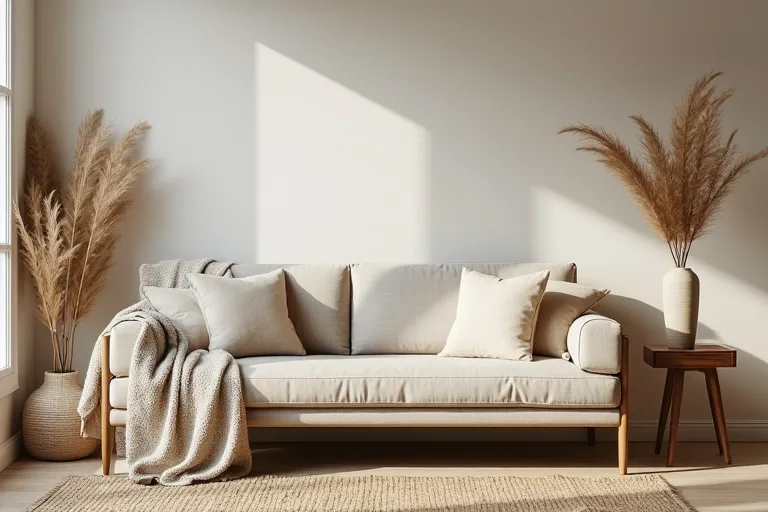
If your room already has several strong colors, busy patterns, or a lot of furniture, boho should probably be added in small doses. Start with texture and a softer palette before bringing in more decor. That keeps the look intentional instead of crowded.
The core ingredients of a calm boho room
Boho style is easiest to manage when you think in ingredients rather than shopping categories. A few well-chosen elements do more for the room than a pile of decorative objects.
The main ingredients are simple:
- Texture. Linen, jute, rattan, wool, cotton, and wood bring softness and depth.
- Pattern. Use pattern in a controlled way through cushions, rugs, throws, or art.
- Natural materials. Wood, ceramic, cane, stone, and woven finishes help the room feel grounded.
- Color. Earth tones, muted neutrals, and softened greens or rusts are often easier to live with than very bright combinations.
- Personal pieces. A few books, objects, or art pieces make boho feel human instead of staged.
The trick is not to use every ingredient at full strength. If the rug is patterned, let the sofa stay simple. If the cushions are busy, keep the rest of the room quieter. This balance is what makes boho look relaxed rather than visually noisy.
How to keep boho calm instead of cluttered
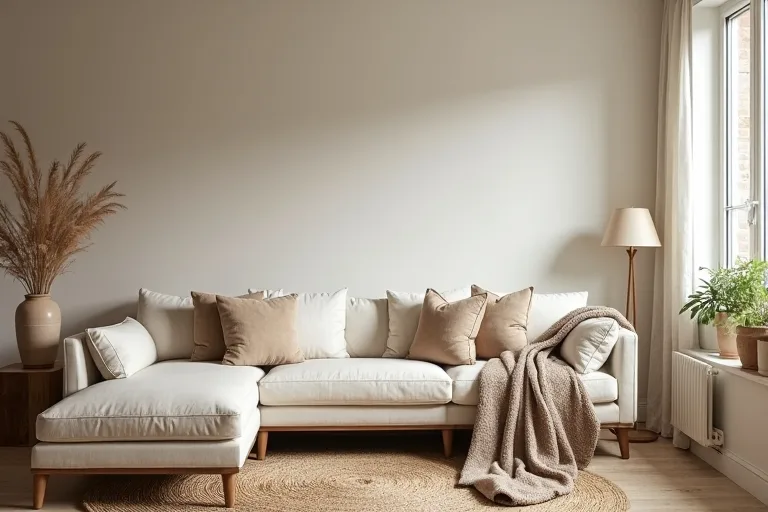
Boho style becomes more successful when you edit as much as you add. A calm room still feels layered, but the layers are doing a job. They soften hard surfaces, improve comfort, and tie the space together.
A good way to think about it is to choose one main point of interest in each area of the room. That might be a textured rug, a woven chair, a patterned cushion group, or a statement light. Once that is in place, keep the other choices quieter.
These steps help most rooms stay balanced:
- Pick a base color that can support the rest of the room.
- Limit pattern to a few places only.
- Repeat materials so the room feels coordinated.
- Leave some visual space between objects.
- Use larger pieces to anchor the room before adding small decor.
Boho also works better when the room has a clear use. A reading corner can be soft and layered. A living room still needs enough open surface, storage, and circulation to function well. Style should never block the path through the room or make everyday use harder.
Boho room-by-room basics
Boho styling changes a little depending on the room, because the practical needs are different. The same style can feel right in a living room, bedroom, or dining area if you adjust the balance.
Living room: Start with one comfortable seating arrangement and build around it. Add a woven rug, a few cushions, a throw blanket, and one or two ceramic or wooden accents. Keep side tables useful, not overloaded.
Bedroom: The boho version of a bedroom works best when it feels soft and restful. Think layered bedding, muted color, a simple light fixture, and a small number of decorative objects that do not compete with sleep.
Dining area: A boho dining space usually benefits from restraint. A natural wood table, mixed seating, and a simple centerpiece can be enough. Too many small decor items tend to get in the way here.
Outdoor areas: Boho can also work outside with the right materials and weather-friendly versions of the look. For more on extending a relaxed style outdoors, see Outdoor Living.
If you are not sure where to begin, the best starting point is often the seating or sleeping area. Once the main furniture is settled, the boho details can support the layout instead of fighting it.
Best next step
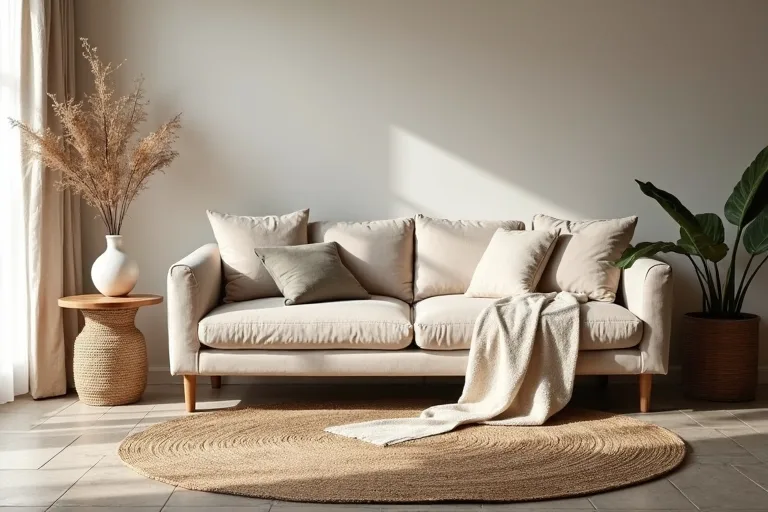
If you like the boho look, start by checking whether your room layout and furniture scale can support it. A style only feels calm when the room plan works first. Use the Design Styles hub to compare options, then move to a planning tool before you buy more decor.
- Adding too many patterned pieces at once.
- Using boho decor before the furniture layout is clear.
- Mixing every natural material without a visual plan.
- Choosing small decor objects that create clutter instead of structure.
- Forgetting to leave open space between layered items.
Boho interior design style works best when it feels collected, not crowded. Start with a calm base, add texture and a few natural materials, and keep pattern and decor edited. If you want the look without overcommitting, finish the room with a neutral ceramic vase set or a neutral throw blanket so you can test the style in a small, reversible way before changing everything else.
Helpful next tools and planners
If you want to make the decision easier before you buy
A few practical tools and simple finishing pieces can help you test boho style without overbuying. Start with planning, then add one or two soft layers that fit the room you already have.
FAQ
Is boho style the same as eclectic style?
Not exactly. Boho often feels more relaxed, textured, and natural, while eclectic can mix more contrasting styles and finishes. They overlap, but boho usually leans softer and warmer.
Can boho work in a small room?
Yes, as long as you keep the base simple and avoid overfilling the room with decor. Small rooms often need boho in lighter layers, with more attention to storage and open space.
What colors work best for boho interiors?
Muted neutrals, earthy browns, warm whites, olive, rust, and softened terracotta are common choices. The safest approach is to use a calm base and add one or two stronger accents.
How do I make boho look more modern?
Use fewer patterns, cleaner furniture shapes, and a tighter color palette. A modern boho room usually feels edited, not busy.
Three sensible next steps
Some links in this article may be affiliate links. Read more in the Affiliate Disclosure.