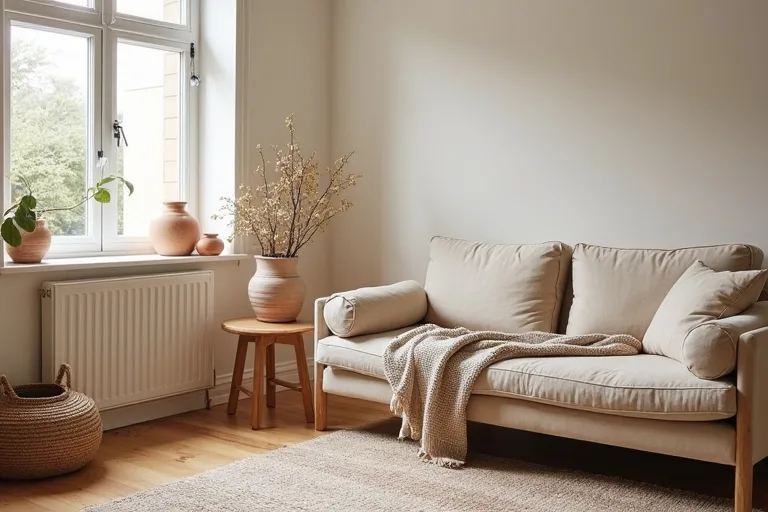
Boho interiors can feel warm, relaxed, and personal, but they work best when the room still has a clear purpose. If the style takes over the layout, the space can quickly become crowded, awkward, or hard to live in.
The easiest way to keep boho style comfortable is to treat it as a layer on top of a good room plan. Start with flow, seating, and scale, then add texture, pattern, and a few natural finishes where they actually help the space feel settled.
Use boho style in layers, but keep the layout, seating comfort, and everyday movement clear first. A calm base palette, natural texture, and a small number of well-placed accessories will usually give you the look without making the room feel busy or impractical.
What boho style really means in a home
Boho interior design is often described as relaxed or eclectic, but that can mean very different things from one room to the next. In practice, it usually combines soft natural materials, layered textiles, mixed finishes, and a lived-in feel that is not too polished.
The important part is that boho style should still support the room. A boho living room, for example, can be warm and characterful without giving up clear walkways, comfortable seating, or enough empty surface space to use day to day.
That is why the style works best when you decide what the room needs before you start decorating. If the room is small, boho details should stay lighter. If the room already feels plain, texture and a few warmer tones can add depth without changing the whole layout.
If you want to anchor the look in a broader design direction, the Design Styles hub is a useful place to compare boho with other room styles before you commit to anything.
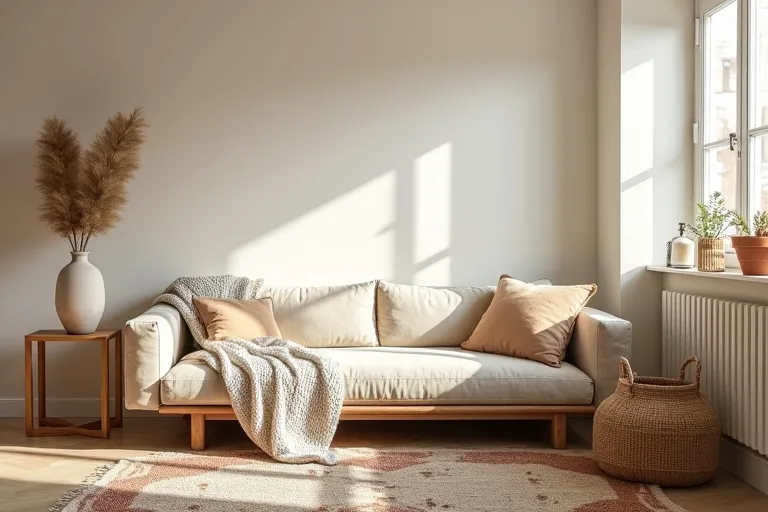
Before you buy anything, ask one question: does this choice improve how the room works, or does it only make it look more boho? If it does not help the layout, comfort, or storage, it is probably not the right addition.
Build the room around layout first
Boho rooms can go wrong when the furniture is chosen for mood instead of use. A good layout gives the style somewhere to land. Without that, even attractive pieces can feel scattered.
Start with the biggest items first: sofa, chairs, bed, or dining table. Check how people move through the room and leave enough space to walk without side-stepping decor. Then make sure the room has a clear focal point, such as a rug, window, fireplace, or seating area.
If you are unsure about scale, the Room Layout Planner is a better first step than shopping. It helps you see whether the room can handle the furniture you want before you add rugs, baskets, and accessories on top.
- Place the main furniture to support daily use.
- Check circulation and open floor space.
- Add a rug only if it supports the seating area or zone.
- Leave room for tables, lighting, and storage that actually get used.
Use texture and color without clutter
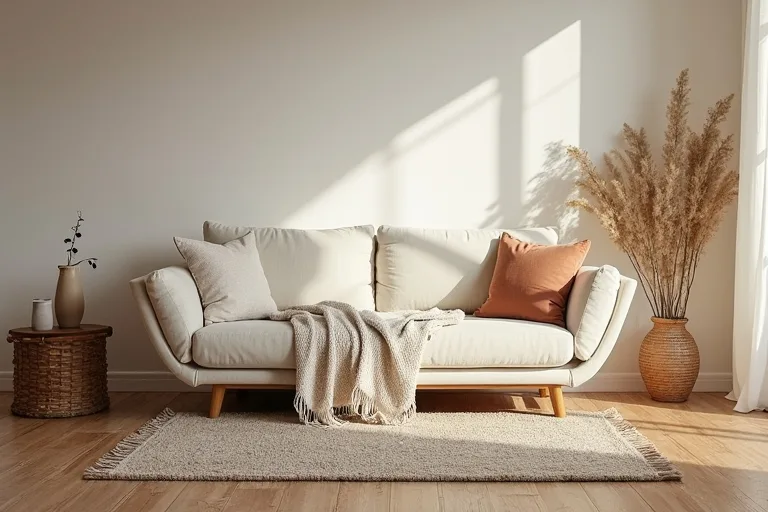
Boho style depends on texture more than volume. A single room can feel layered through a rug, a throw blanket, cushions, woven pieces, and natural wood accents without needing many separate decor objects.
A calm base palette usually makes this easier. Cream, beige, muted brown, soft terracotta, and dusty green can all work well because they create warmth without visual noise. If the room already has a lot of pattern, keep the larger pieces simpler so the mix does not feel restless.
Use accessories to soften hard edges rather than fill every empty spot. A sofa can be made to feel more boho with one good throw and a few cushions. A sideboard can be finished with a simple ceramic vase set instead of several small objects competing for attention.
For a small planning add-on, the Home Style Quiz can help you confirm whether your room needs more warmth, more texture, or a cleaner base before you start buying decor.
Finish the space with restraint
The last stage of boho styling is often where rooms become overloaded. Once the main furniture and textiles are in place, pause and look at what is still missing. In many rooms, the answer is not more decor but better editing.
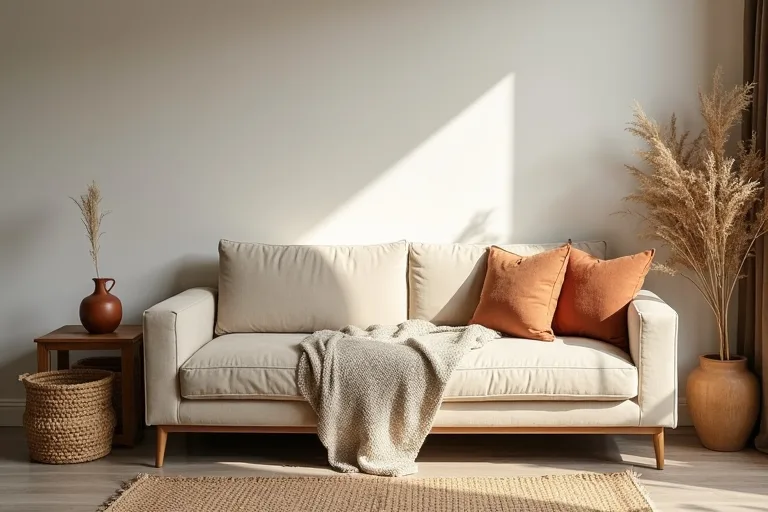
One or two finishing pieces are usually enough. A neutral throw blanket for sofa or bed can add softness without making the room feel busy. A ceramic vase set neutral home decor can bring a natural, calm finish to a shelf or table without introducing more visual weight than the room can handle.
If you like the boho feel but want to keep it grounded, choose pieces that repeat the room’s base colors and materials. That keeps the styling cohesive and helps the room feel considered rather than collected all at once.
When the layout is settled, small finishing touches become easier to judge. You can then decide whether the room needs more warmth, a stronger focal point, or simply less decor. That is the point where boho style starts to feel comfortable instead of crowded.
Best next step
If you are planning a boho room, confirm the layout before you shop. A clear plan helps you avoid buying too many accents or choosing pieces that do not fit the space.
- Buying decor before the furniture plan is clear.
- Adding too many textures, patterns, and colors at once.
- Using oversized rugs, baskets, or chairs that crowd the room.
- Styling every surface, which leaves no visual pause.
- Choosing boho pieces that look good alone but do not work with everyday use.
Boho style works best when comfort and function lead the design. Keep the layout simple, use a calm base palette, layer texture carefully, and stop styling before the room feels crowded. If you are unsure where to begin, plan the space first and let the decor follow.
Helpful next tools and planners
If you want to make the decision easier before you buy
These are practical next steps if you want to check proportions, stay organized, or add a simple finishing layer to the room.
FAQ
How do I make boho style feel calm instead of busy?
Keep the base palette quiet, repeat a few materials, and limit the number of decorative objects. Texture can do most of the work.
Can boho style work in a small room?
Yes, but it needs restraint. Use fewer larger pieces, keep walkways open, and avoid filling every surface with decor.
What is the best first step before decorating a boho room?
Set the layout first. Once the furniture placement works, it is much easier to choose rugs, textiles, and accessories that fit.
Do I need bright colors for boho style?
No. A boho room can stay mostly neutral and still feel warm if you add enough texture, natural materials, and a few earthy tones.
Three sensible next steps
Some links in this article may be affiliate links. Read more in the Affiliate Disclosure.