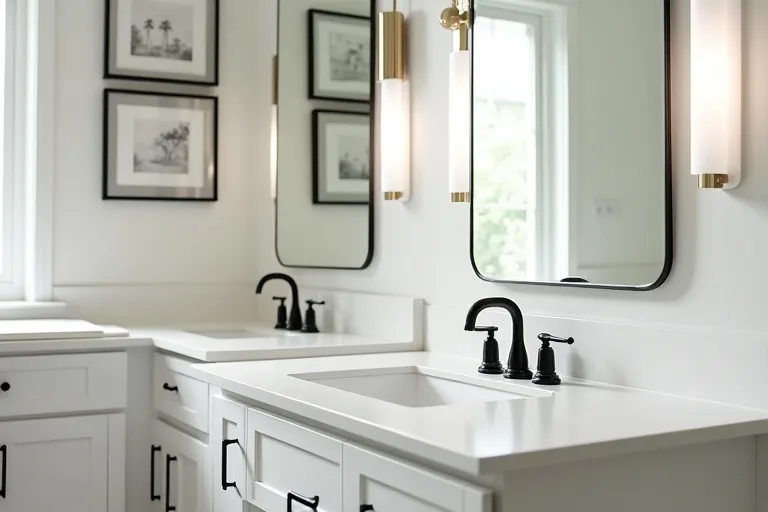
Fixture upgrades can change a room faster than most people expect, but only if you choose them in the right order. The goal is not to replace everything at once. It is to fix the parts of the room you touch every day, then improve the details that make the space feel finished.
If a room feels tired, awkward, or slightly hard to use, the issue is often not the whole layout. It is usually a few visible fixtures that are dated, mismatched, or inconvenient. A calmer plan starts with those pieces first.
Start with the fixtures you use most, then upgrade the ones that improve both function and finish the fastest.
Start with the fixtures that solve the biggest daily friction
Before you shop, ask what is actually bothering you about the room. In many kitchens and bathrooms, the answer is not just style. It is poor lighting, hard-to-grip hardware, awkward sightlines, or a finish that makes the room feel older than it needs to.
That is why the best fixture upgrade plan begins with use, not appearance. The most useful upgrades are usually the ones that affect the room every time you walk in, wash up, cook, or open a drawer.
For a kitchen, that might mean replacing cabinet hardware that feels loose or dated. For a bathroom, it may mean improving the vanity lighting before changing decorative details. Small changes can have a surprisingly large effect when they solve the right problem.
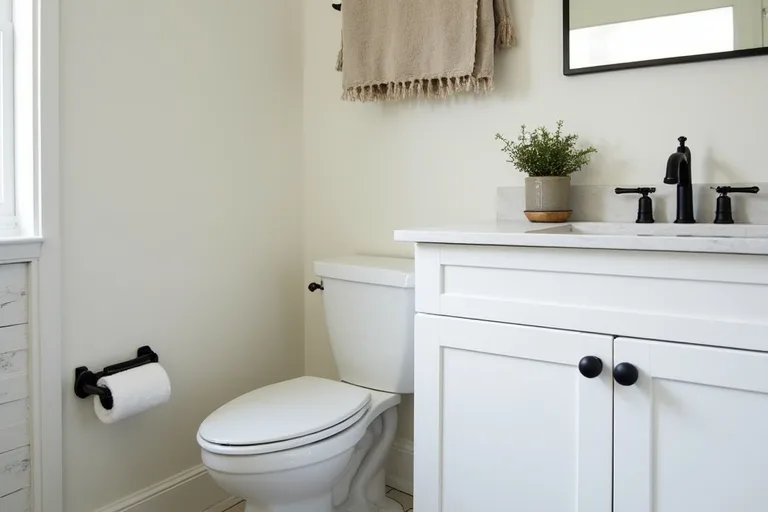
If you want a more focused room-by-room perspective, the bathroom ideas and kitchen dining guides are useful places to compare what matters most in each space before you commit to a purchase.
If a fixture upgrade does not improve comfort, visibility, or daily use, it is probably a finish-only change. Those can still be worthwhile, but they should come after the higher-impact updates are handled.
Choose an upgrade order that improves both function and finish
Once you know what the room needs, the order of updates matters. Some fixtures affect how the room works immediately. Others mostly affect how the room looks. When you sort them this way, the budget goes further and the room feels more coherent sooner.
A simple order usually works best:
- Lighting, because it changes how the whole room reads and how well you can use it.
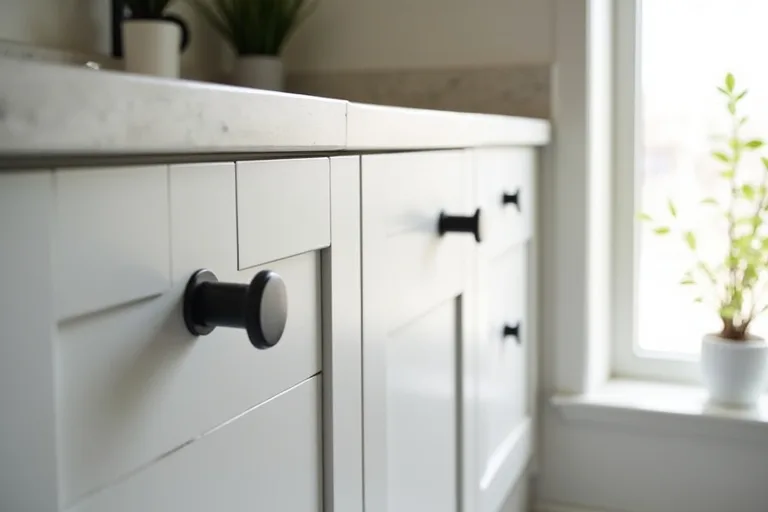
- Hardware, because it is visible, touched often, and usually quick to replace.
- Faucets or taps, because they are high-contact pieces that can anchor the finish.
- Trims and smaller details, because they help the room feel complete after the main pieces are settled.
For example, a bathroom can feel noticeably more polished after a better vanity light and cleaner hardware, even if the tile stays the same. In a kitchen, new pulls can make older cabinets feel more intentional while you save for larger work later.
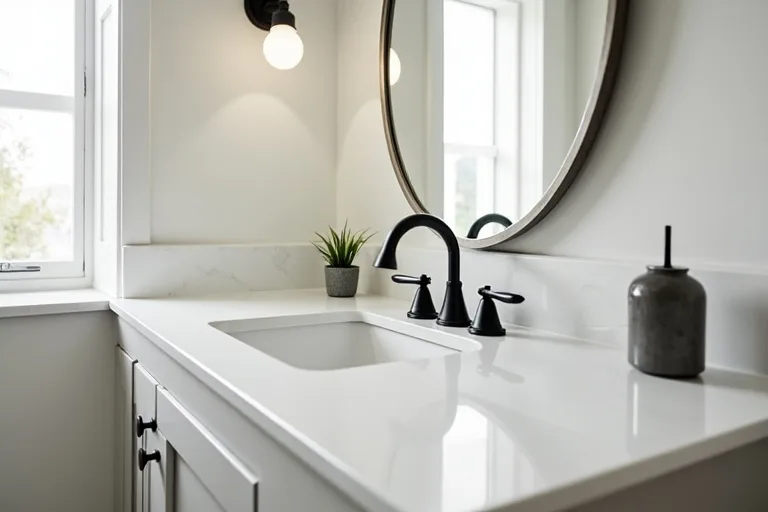
If your room is still being shaped, keep the visual order as simple as possible. Updating one category at a time helps you see what the room needs next instead of buying pieces that compete with each other.
Match finishes so the room looks intentional
One of the easiest ways to make a room feel calmer is to limit the number of finish families. That does not mean everything must match perfectly. It means the eye should be able to read the room without stopping at every surface change.
Matte black hardware, brushed nickel faucets, chrome lighting, and warm brass accents can all work in the same home, but they need a reason to be together. If the room already has several different metals, the result can feel unfinished rather than layered.
When in doubt, choose one main finish and let the others play a smaller role. In a simple budget refresh, that often means keeping the most visible fixtures consistent first. Cabinet hardware is a good example because it is easy to standardize and easy to compare before buying a full set like matte black cabinet hardware pulls.
The same logic applies to lighting. A clean, modern fixture can quietly sharpen the whole room if its shape and finish suit the other elements. A product search such as LED vanity light fixture bathroom is most useful when you already know the size, style, and finish range that fits the space.
Plan the spend before you buy anything
Budgeting first is the simplest way to avoid a half-finished room. Fixture upgrades are easy to underestimate because each item looks manageable on its own. The problem usually shows up when you add together the fixtures, hardware, installation help, and any small parts you still need.
Before purchasing, make a short list with three columns: must replace now, can wait, and nice to have. This keeps the room moving in the right direction without turning a small refresh into a bigger project than you planned.
For a more organized approach, a renovation planner can help you sort the work by priority and cost. A tool like the Home Renovation Budget Planner Spreadsheet is especially helpful if you want to compare options before you buy and keep a clear record of what still fits the budget.
It also helps to confirm any sizes or installation limits before ordering. A simple budget or cost tool can prevent costly returns, especially when you are deciding between a few nearly identical fixtures.
Best next step
Before you shop, use a planning tool so you can decide which fixture upgrades should happen first and which ones can wait. That keeps the room moving in the right direction without overspending on the wrong details.
- Replacing decorative fixtures before fixing poor lighting or awkward use.
- Mixing too many finishes without a clear reason for the combination.
- Buying pieces before confirming sizes, spacing, or installation needs.
- Spending evenly across the room instead of prioritizing the highest-impact changes.
- Choosing a style first and only later checking whether it suits the room’s daily use.
The smartest fixture upgrade plan starts with the parts of the room you use most, then moves toward the details that make the space feel finished. When you upgrade in the right order, the room looks more polished, works better, and stays easier to budget.
Helpful next tools and planners
If you want to make the decision easier before you buy
These are useful if you are comparing fixture options, tightening the budget, or trying to keep one clear plan before you start shopping.
FAQ
What fixture should I upgrade first?
Start with the fixture that affects daily use the most, usually lighting or the hardware you touch every day.
Do all the finishes in a room need to match?
No, but they should feel deliberate. One main finish usually makes the room feel calmer than several competing ones.
Are small fixture changes worth it in a budget refresh?
Yes. Small updates often give the quickest improvement when they fix a visible problem or make the room easier to use.
How do I avoid overspending on upgrades?
Plan the order first, list the must-haves separately from the nice-to-haves, and check the total before buying.
Three sensible next steps
Some links in this article may be affiliate links. Read more in the Affiliate Disclosure.