
Japandi is one of those styles that looks simple at first and then starts to make sense the longer you live with it. It combines the clean restraint of Japanese interiors with the warmth and practicality of Scandinavian design, which is why it works so well in homes that need to feel calm, not empty.
If you are trying to plan a room that feels lighter, more functional, and easier to live in, Japandi is a good place to start. The key is to treat it as a room-planning approach first and a decor style second.
Japandi is a calm blend of Japanese simplicity and Scandinavian warmth, focused on clean lines, natural materials, and functional spaces.
What Japandi style looks and feels like
Japandi style is defined by restraint, balance, and a clear sense of purpose. You will usually see low-profile furniture, uncluttered surfaces, soft neutral tones, and materials that feel honest rather than decorative for decoration’s sake. Nothing in the room should feel forced.
The Japanese side brings a preference for simplicity, quiet rhythm, and space around objects. The Scandinavian side adds comfort, usability, and a softer lived-in quality. Together, they create rooms that feel composed without becoming severe.
A Japandi room usually works best when every piece has a clear role. A sofa should suit the scale of the room. Storage should reduce visual noise. Decorative objects should be few, but chosen carefully. That is what keeps the style practical instead of overly styled.
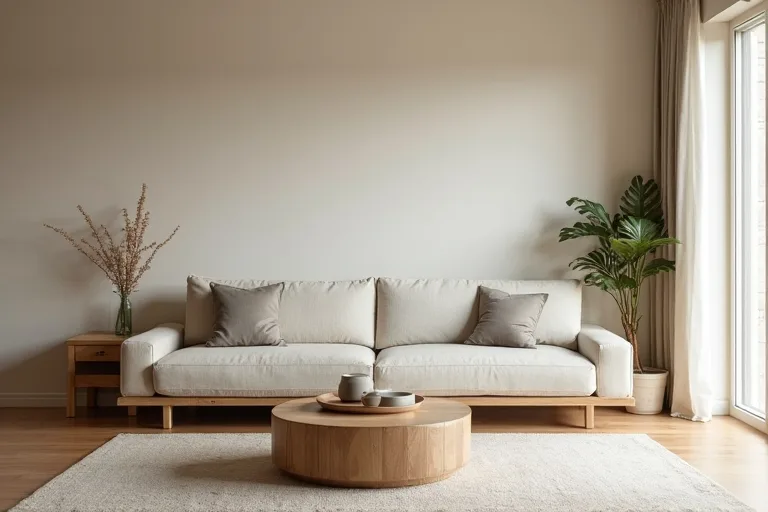
If you want to compare Japandi with other calm styles, the broader Design Styles hub is a useful starting point. And if you are thinking about a bedroom, the Bedroom Ideas hub can help you decide whether Japandi is the right mood for rest, storage, and layout.
The real Japandi decision is not whether a room looks minimal. It is whether the layout, furniture scale, and storage support everyday use without clutter. If the room still feels awkward when the decor is removed, the style is not the problem yet. The plan is.
Colors, materials, and textures that make it work
Japandi color palettes are usually quiet and grounded. Think warm white, soft beige, stone gray, muted taupe, clay, and natural wood tones. Darker accents can work, but they should feel deliberate and limited. The goal is contrast with restraint, not high drama.
Materials matter just as much as color. Wood, linen, wool, ceramic, stone, and paper-like textures all suit the style because they add softness and depth without visual clutter. Surfaces should feel tactile, not shiny or overly polished.
It helps to think in layers:
- Start with a calm base color on the walls and large upholstered pieces.
- Add natural wood or warm neutral finishes for furniture and storage.
- Use texture through textiles, ceramics, and one or two handcrafted-looking accents.
That approach keeps the room from becoming flat. It also makes it easier to shop carefully, because each item has a clear job in the overall scheme.
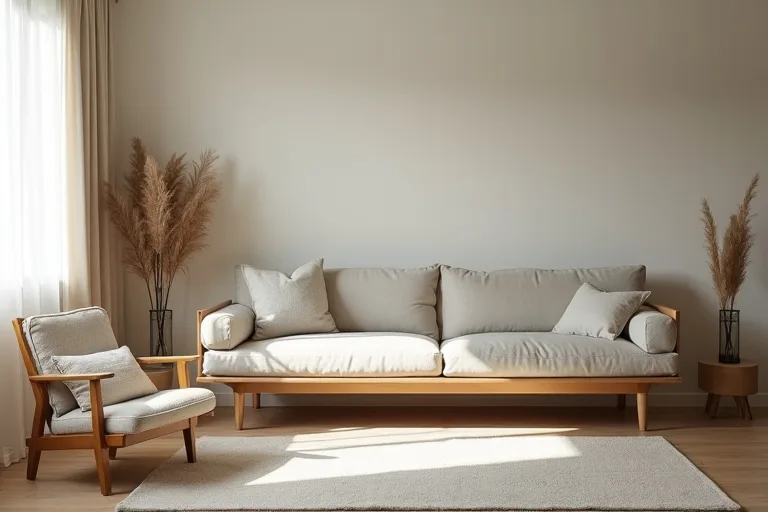
If you are planning window treatments, linen curtain panels neutral are one of the easiest ways to keep the look soft and practical without adding visual weight.
Furniture, layout, and storage: the part that matters most
Japandi succeeds or fails on layout. The furniture should feel lower, lighter, and better scaled than in a more traditional setup. A bulky sofa or oversized table can overpower the room and make the style feel awkward, even if the colors are right.
Choose pieces with simple silhouettes and clear function. Closed storage is often better than open shelving, especially in smaller homes, because it keeps the room visually calm. Leave enough breathing room around furniture so the space feels intentional rather than crowded.
Before you buy anything, ask three questions: does it fit the room size, does it help the room work better, and does it support the calm you want to keep? If the answer is no to any of those, it is probably not the right Japandi piece.
For people who like to plan before they shop, a room planning tool can be more useful than another decor purchase. The Room Layout Planner and Tools page can help you check proportions first, especially if you are working with a tight room or a layout that already feels difficult.
If you want a simple room update path, focus on the largest items first, then refine with a few understated accents. That way you avoid buying pieces that look good online but do not improve the room in practice.
How to style a Japandi room without overdoing it
The finishing stage should stay restrained. A single piece of wall art, a ceramic lamp, a woven basket, or a soft throw can be enough. You do not need to fill every shelf or add layers just to prove the room is styled. In Japandi, empty space is part of the design.
One of the easiest ways to finish the room is to keep the soft goods neutral and the wall decor quiet. Framed abstract art in muted tones can give the room structure without disrupting the calm palette. Likewise, simple linen curtains can soften the windows while still keeping the look clean.
That is why the final details should support the architecture of the room, not compete with it. If the furniture is already doing the heavy lifting, the styling only needs to make the space feel complete.
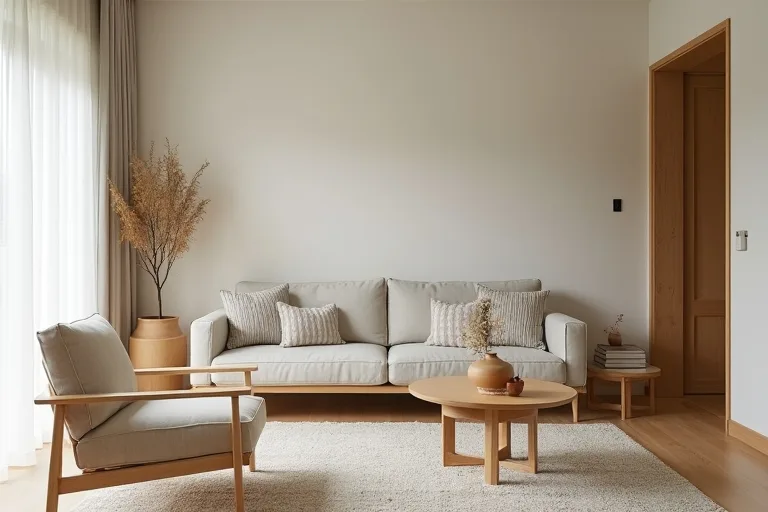
For a gentle finishing layer, neutral abstract wall art framed set works well when you want quiet structure rather than a busy gallery wall. If you are building a room plan from scratch, the Home Planning System Bundle, Room Makeover, Small Space, Budget Tool (Digital Download) can also help you decide what to buy next, in what order, and with less second-guessing.
Best next step
If you are still deciding whether Japandi will work in your room, plan the layout first. That will tell you whether the furniture scale, circulation, and storage are right before you spend money on decor.
- Choosing too many decorative objects and losing the calm, open feel.
- Using a palette that is so pale it feels cold or unfinished.
- Buying oversized furniture that blocks flow and makes the room feel heavy.
- Mixing too many textures or finishes, which creates visual noise.
- Styling the room before checking layout, storage, and proportions.
Japandi works best when you treat it as a practical room plan with a calm finish. Keep the palette quiet, choose natural materials, make storage earn its place, and leave enough space for the room to breathe. If those basics are in place, the style usually feels right without much effort.
Helpful next tools and planners
If you want to make the decision easier before you buy
These are useful when you want to finish a Japandi room without drifting into guesswork. Start with the plan, then add only the pieces that support the layout and the mood.
FAQ
Is Japandi the same as minimalism?
No. Japandi is minimal, but it is also warmer and more tactile. It usually includes more natural texture and a softer lived-in feel than strict minimalism.
What colors work best in a Japandi room?
Warm whites, beige, stone, muted gray, taupe, and natural wood tones are the safest choices. Keep contrast low and deliberate.
Can Japandi work in a small room?
Yes, especially if you keep furniture scaled to the room and use closed storage to reduce visual clutter. Small rooms often suit Japandi very well.
What should I buy first for a Japandi look?
Start with the largest functional pieces and the layout. Once those are right, add curtains, lighting, and a few restrained decor items.
Three sensible next steps
Some links in this article may be affiliate links. Read more in the Affiliate Disclosure.