
A kitchen island can make a room feel more useful, but it can also become the most expensive mistake in the space. Once an island is built or bought, the problems are hard to ignore: tight walkways, awkward seating, poor lighting, and a layout that slows everything down.
The safest approach is to decide what the room can support before you choose finishes or accessories. That means checking island size, clearances, seating, and daily flow first, then using those answers to shape the rest of the plan.
The biggest mistakes are choosing the island before measuring the room, ignoring clearances, and adding seating without enough space. Once the size is right, plan the sink, hob, fridge, stools, lighting, and outlets around that footprint instead of trying to force them in later.
Measure the room before you choose the island
The most common island mistake is starting with the idea of an island and only later asking whether the room can actually hold one. A kitchen island should fit the space, not compete with it. If the island is too large, the room starts to feel cramped. If it is too small, it can look like an afterthought and still block movement.
Before you think about drawers, stools, or pendant lights, look at the room as a whole. Where are the door swings, appliance doors, main entry points, and natural walking routes? Those details matter more than style choices because they determine whether the island helps the room or gets in the way.

If you want a quicker sense check, use the Kitchen Island Size Calculator before you commit. It is a better first step than shopping for stools or pendants, because those details only work after the footprint makes sense.
The real question is not whether an island looks right in a photo. It is whether your kitchen still works comfortably when someone opens the dishwasher, passes behind a cook, or carries a tray across the room.
Get workflow and clearance right
Even a well-sized island can fail if it interrupts the way the kitchen is used every day. The common problem is placing the island where it looks balanced on a floor plan, but where it interferes with the main work triangle or forces people to squeeze past each other.
Think about three movements in the room: reaching the fridge, moving between the sink and hob, and passing through the kitchen without stopping. If the island makes any of those movements harder, it is not doing its job.
- Check that appliance doors can open without conflict.
- Make sure there is enough clear space for someone to stand and work.
- Keep major walkways free so the kitchen does not become a corridor of obstacles.
- Leave room for chairs or stools only where people can actually use them comfortably.
This is also where a simple plan helps. If you are comparing layout options, it is worth stepping back to the main Kitchen & Dining hub and treating the island as part of the whole room, not a separate purchase.
Plan seating, lighting, and power together
Seating is where many island plans go wrong. People add stools because an island should have them, not because the room has space for them. But island seating only works when the overhang, circulation, and traffic flow have all been considered first.
That is why seating should come after island sizing. If the island is too narrow, stools may crowd the walkway. If the overhang is too shallow, knees hit the cabinet front. If the island sits in a busy path, stools become something everyone has to step around.
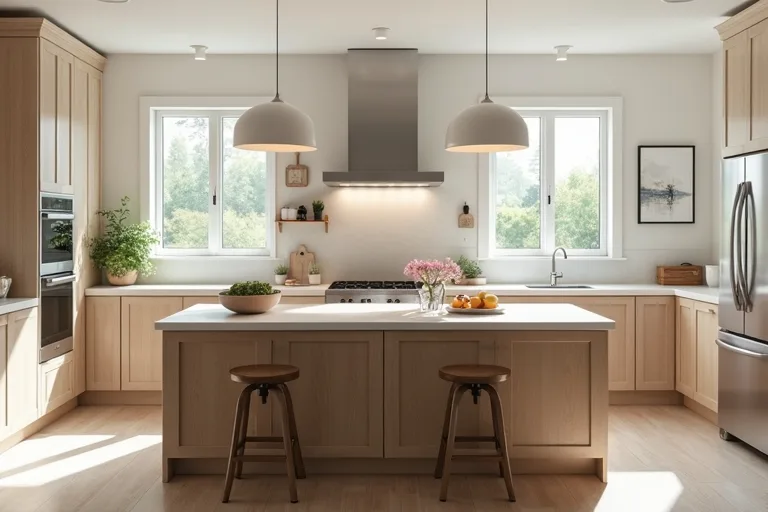
Once seating is clear, lighting and power need to follow the same logic. Pendant lights should line up with the island in a way that supports the task area, not just the view. Outlets should be planned early enough that they are useful without cluttering the surface or disrupting drawer fronts.
If you are still working through the layout, the safest order is:
- confirm island size,
- confirm clearance around it,
- decide whether seating is actually comfortable,
- then place lighting and outlets.
For the seat itself, a simple product search such as counter height bar stools set of 2 can be useful later, but only after the measurements are settled.
Avoid overloading the island with storage and extras
Another common mistake is expecting the island to solve every storage problem in the kitchen. Extra drawers and cabinets can be helpful, but an island that tries to do too much often becomes bulky, expensive, and harder to keep practical.
The better approach is to decide what the island needs to do most often. For some kitchens, that means prep space. For others, it means casual seating and a landing spot. In a compact room, it may simply need to improve circulation and add a little storage without dominating the layout.

Keep the surface easy to use, and resist stacking too many functions into one piece. If you want more storage, think about whether the room already has enough wall cabinetry or pantry space before adding more into the island itself. A clearer room plan often saves more money than one oversized joinery piece.
For a calmer planning process, a simple spreadsheet or room planner can help you compare island options, seating counts, and layout tradeoffs before you buy. A tool such as the Room Makeover Planner, Home Layout Budget Spreadsheet (Digital Download) can be useful if you want to keep track of decisions in one place.
Best next step
If you are still early in the decision, start with size and clearance before you choose stools, lights, or storage extras. That one check removes most of the risk and makes every later choice easier.
- Buying or building the island before confirming the room can support it.
- Ignoring circulation, appliance doors, and the way people actually move through the kitchen.
- Adding stools before checking that the seating area has enough room to work.
- Choosing pendant lights too early, before the island position is settled.
- Using the island to carry too much storage, which can make the kitchen feel crowded.
The smartest kitchen island decisions start with the room, not the shopping list. Measure the footprint, protect the walkways, decide whether seating is genuinely comfortable, and only then plan lighting, outlets, and storage. That order keeps the island practical and prevents an expensive layout mistake.
Helpful next tools and planners
If you want to make the decision easier before you buy
These are the most useful next steps once the island size is clear. Start with planning, then move into seating and lighting only if the layout still feels balanced.
FAQ
How much clearance does a kitchen island need?
The right clearance depends on the room, door swings, and how the kitchen is used, but the key point is to keep movement comfortable on all sides. If the room feels tight once appliances are open, the island is probably too large or too close to another element.
Should I add seating to every kitchen island?
No. Seating only makes sense when the island is sized for it and the walkway still feels easy to use. In some kitchens, an island works better as a prep and storage zone without stools.
What should come first, island size or lighting?
Island size should come first. Lighting can only be planned properly once the island position and footprint are settled.
What is the easiest way to avoid a bad island layout?
Start with a layout check before you shop. Measure the room, test the clearances, and confirm where people will walk, stand, and sit.
Three sensible next steps
Some links in this article may be affiliate links. Read more in the Affiliate Disclosure.