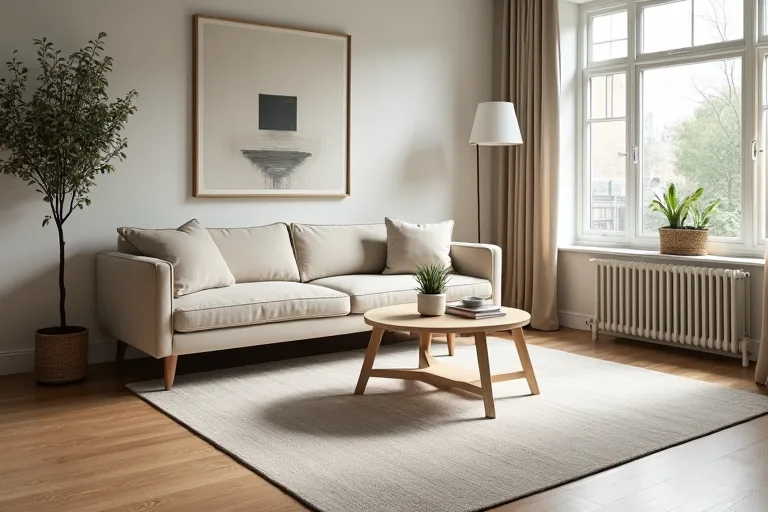
Choosing a living room rug is usually less about style and more about fit. When the size is right, the whole seating area feels settled, easier to use, and more intentional.
If the rug is too small, the room can feel disconnected. If it is too large, the furniture can start to look crowded. The goal is to match the rug to the way the room is actually used.
The best rug size depends on your sofa layout, but 8×10 is a common starting point for most living rooms. It often gives enough coverage for a sofa-and-coffee-table arrangement without overwhelming the floor.
Start with the room layout, not the rug
Before you compare rug sizes, look at the furniture arrangement. A living room rug should support the seating area, not fight with it. That means thinking about where the sofa sits, how much floor space is visible, and whether the rug needs to define one conversation zone or hold the entire furniture group.
In a smaller room, a rug can help separate the seating area from nearby traffic. In a larger room, it can anchor the furniture so the space does not feel spread out. The right choice usually comes from the room plan first and the decor second.
For a broader planning view, it helps to keep the living room ideas hub open while you compare options. If you are still unsure about the shape of the seating area, the rug size calculator is a useful next step before buying.
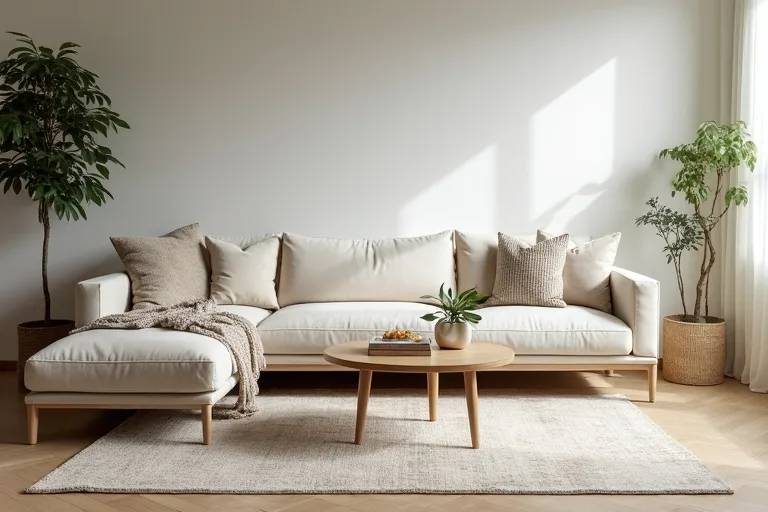
The real decision is not whether a rug looks nice in isolation. It is whether the rug connects the sofa, coffee table, and chairs in a way that makes the room easier to use. If your layout still feels undecided, measure the seating zone first and then match the rug size to that footprint.
The most common living room rug sizes
Most living rooms end up using one of a few standard sizes. The right one depends on the scale of the room and how much of the seating group you want the rug to hold together.
A smaller rug can work under a compact seating area, but many rooms need more coverage than people expect. The most common choices are:
- 5×7: better for compact rooms or smaller seating zones.
- 6×9: useful when you want more presence without going fully large.
- 8×10: a versatile choice for many standard living rooms.
- 9×12: often better for larger rooms or full furniture groupings.
If you are comparing options for a typical sofa-and-table arrangement, the 8×10 size is often the most practical place to start. A neutral version can also make the room easier to adjust later if you change cushions, curtains, or accent chairs. The search for an 8×10 neutral living room area rug is usually most useful after you know the layout will support it.
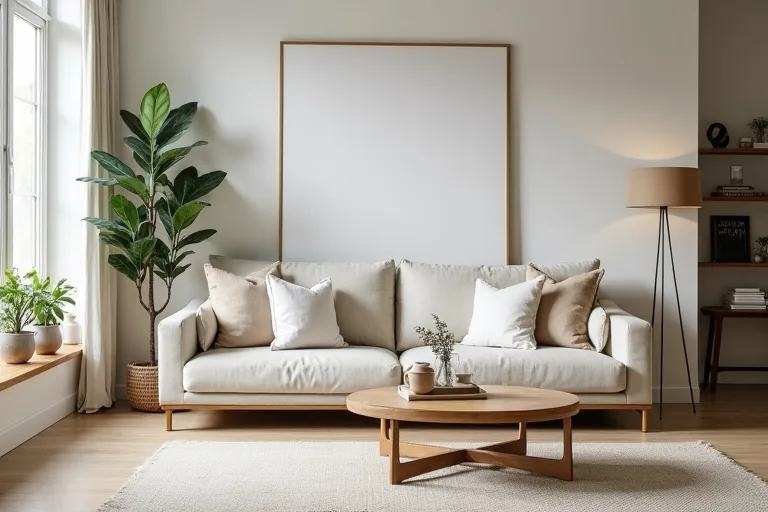
How to place a rug with different sofa layouts
Placement matters as much as size. The same rug can feel balanced or awkward depending on how much of the furniture sits on it.
Three common approaches usually work well:
- Front legs on the rug: a simple, forgiving option for many living rooms.
- All legs on the rug: gives a fuller, more grounded look in larger rooms.
- Floating furniture: useful when the rug defines a central zone and the sofa does not sit directly against a wall.
Front-leg placement is often the easiest place to start because it creates visual connection without requiring a very large rug. All-leg placement needs more room, but it can make a bigger seating area feel calm and finished. Floating furniture arrangements usually benefit from a rug that is generous enough to sit comfortably under the main grouping without leaving the setup looking chopped off.
Whatever the layout, keep the edges of the rug working with the room flow. You usually want enough visible floor around it so the room still breathes.
Measure before you buy and choose the right next step
Before you order a rug, measure the seating area itself. Start with the sofa width, then note where the coffee table sits and how far the chairs or side tables extend. This gives you a realistic footprint instead of a guess based on room size alone.
A simple process helps:
- Measure the main seating zone.
- Decide whether you want front-leg or all-leg placement.
- Leave visible floor space around the rug edges.
- Compare the result with one or two standard rug sizes.
- Check the room again before purchasing.
If your room points to an 8×10, keep the choice simple and use a neutral rug that supports the furniture rather than competing with it. A non-slip pad is also worth considering so the rug stays in place and feels more secure under everyday use. You can compare a non slip rug pad 8×10 alongside the rug itself, and if you like planning the room before buying, a Room Makeover Planner, Home Layout Budget Spreadsheet (Digital Download) can help keep the decision and the budget aligned.
Best next step
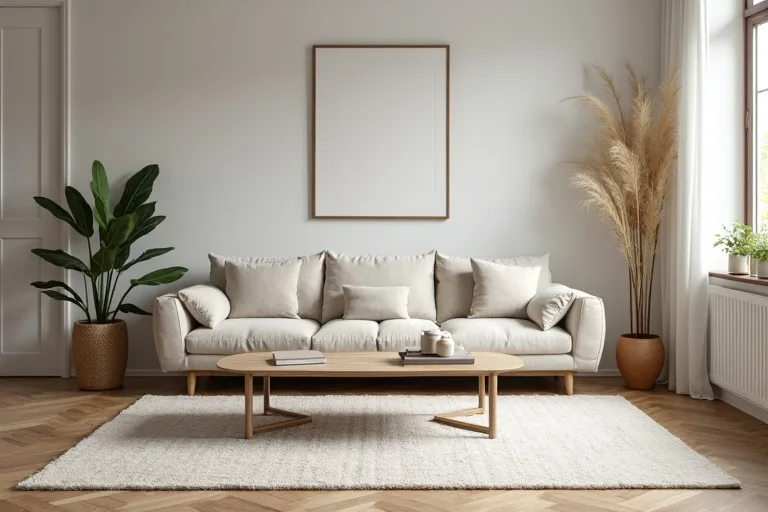
Use the rug size calculator first so you can compare your seating layout with a size that actually fits. If your measurements point toward a medium-large living room rug, an 8×10 neutral option is often the most practical next purchase to review.
- Choosing a rug based on the room dimensions alone instead of the furniture layout.
- Picking a size that stops short of the seating area, which can make the room feel broken up.
- Ignoring how much floor should still show around the rug edges.
- Buying before checking whether the rug needs a pad for stability.
- Assuming the same size works in every living room, even when the sofa and table proportions are different.
For most living rooms, rug size comes down to how the seating area is arranged. Start with the layout, measure the furniture group, and then compare your options. In many homes, 8×10 is the most useful starting point because it gives enough coverage for a sofa and coffee table without making the room feel heavy.
Helpful next tools and planners
If you want to make the decision easier before you buy
These next steps are useful if you are still deciding on rug size, checking how the layout works, or keeping the purchase aligned with your room plan.
FAQ
What size rug works best under a living room sofa?
A rug that is wide enough to connect the sofa, coffee table, and nearby seating usually works best. For many living rooms, that means starting by looking at 8×10.
Should a living room rug go under the whole sofa?
Not always. Front legs on the rug is a common and practical choice, especially when you want the room to feel connected without needing a very large rug.
Is 8×10 too big for a small living room?
It can be, but not always. The deciding factor is whether the rug still leaves enough visible floor around the edges and fits the seating zone cleanly.
Do I need a rug pad?
In most cases, yes. A rug pad helps keep the rug in place and can make the setup feel more stable and finished.
Three sensible next steps
Some links in this article may be affiliate links. Read more in the Affiliate Disclosure.