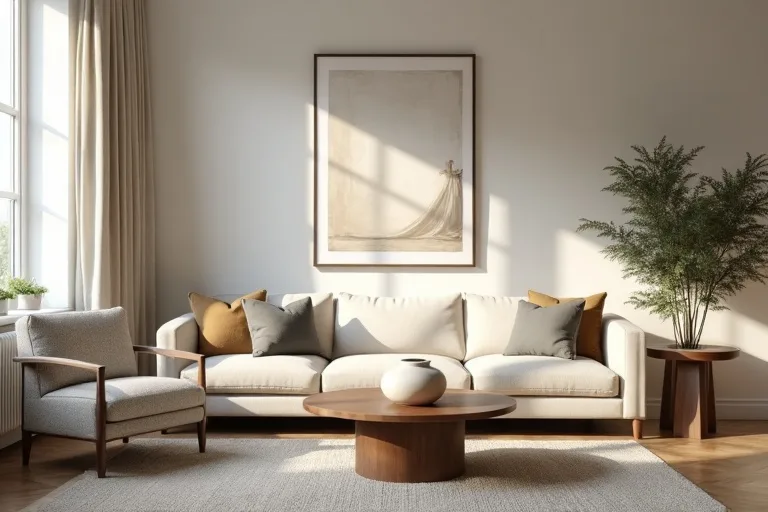
Transitional interior design style is one of the easiest ways to create a room that feels settled without looking dated. It blends the cleaner lines of modern design with the comfort and softness of traditional pieces, so the result feels calm, balanced, and easy to live with.
If you are trying to make a room feel more pulled together, transitional style is often a smart middle ground. It works best when layout, scale, and finish choices are clear first, then decor is added with restraint.
Transitional style blends traditional and modern elements in a calm, balanced way. It usually means neutral colors, simple furniture shapes, a mix of textures, and fewer decorative details than classic traditional design.
What transitional style really means
Transitional style is not a strict formula. It is more of a balancing act between two familiar looks: traditional and modern. Traditional pieces bring softness, warmth, and familiar proportions. Modern pieces bring cleaner lines, less visual clutter, and a more edited feel.
The reason this style is so popular is that it tends to feel comfortable without becoming heavy. A transitional room usually avoids extremes. It is not overly ornate, but it also does not feel stark or cold. That makes it useful in living rooms, bedrooms, and family spaces where you want the room to feel calm enough for daily use.
In practice, this style usually shows up in a few ways: a neutral sofa with simple tailoring, a wood table with softened edges, a classic lamp shape paired with a cleaner chair silhouette, or a textile mix that keeps the room from feeling flat. A boucle accent chair for living room or bedroom use can fit well here because it adds texture without overpowering the room.

If a room feels too formal, transitional style can make it easier to live in. If it feels too plain, the style can add warmth through texture, shape, and quieter decorative layers. The real decision is usually not which objects to buy first, but how much visual softness the room needs.
Colors, materials, and shapes that keep it balanced
The easiest transitional rooms usually start with a restrained palette. Think warm white, beige, greige, taupe, soft gray, muted brown, and other colors that sit comfortably together. Contrast is welcome, but it works best when it is gentle rather than sharp.
Materials matter just as much as color. Transitional rooms often combine painted surfaces, natural wood, stone, linen, wool, and smooth upholstery. That mix helps the room feel layered without becoming busy. A ceramic vase set neutral home decor can be a useful finishing piece because it adds a quiet shape and a little surface variation without introducing visual noise.
Shapes should also feel edited. Transitional design usually prefers simple furniture outlines with a touch of softness. Hard edges are not a problem, but they are often balanced with curved lighting, rounded accessories, or upholstered pieces that make the room feel more approachable.
- Start with a neutral base for walls and large furniture.
- Add one or two wood tones that feel consistent rather than random.
- Mix smooth and tactile surfaces so the room does not look flat.
- Keep decorative accents limited and repeat shapes for cohesion.

How to use transitional style room by room
Transitional style works best when each room supports the same visual language, even if the furniture changes. The goal is not to make every room look identical. It is to keep the home feeling connected.
In a living room, begin with the main seating arrangement. Choose furniture that fits the room properly before thinking about accent pieces. A sofa that is too large or too small can make the whole style feel off. Once the layout is right, add a chair, table, and lighting that repeat the same simple and balanced feel.
In a bedroom, transitional style often becomes even calmer. The bed frame, nightstands, and lighting should feel visually steady rather than decorative for decoration’s sake. Soft bedding, a simple bench, or one well-chosen accent chair can be enough. The room should feel restful first.
For dining areas or open-plan rooms, keep the boundaries clear. Transitional style benefits from sensible spacing, especially where furniture needs to work together across zones. If you are unsure whether the room plan is helping or hurting the style, use the Room Layout Planner before you buy anything else.
Shopping and styling without overbuying
One of the easiest ways to overshoot transitional style is to keep adding “just one more” decorative item. The style usually looks best when the room is edited carefully. You do not need many pieces; you need the right pieces in the right proportions.
A simple way to shop is to follow the room in this order: layout, large furniture, lighting, soft furnishings, then small decor. If the room still feels incomplete after that, add only one or two finishing touches. A boucle accent chair for living room or bedroom use can be a strong bridge piece if the room needs softness and a little visual interest. A ceramic vase set neutral home decor can finish a shelf, table, or dresser without changing the tone of the room.
If you prefer a more structured approach, the Home Style Quiz can help confirm whether transitional design is the right direction before you commit to new furniture or accessories. After that, the Room Layout Planner can help you check flow and sizing so the style supports the space instead of fighting it.
Best next step
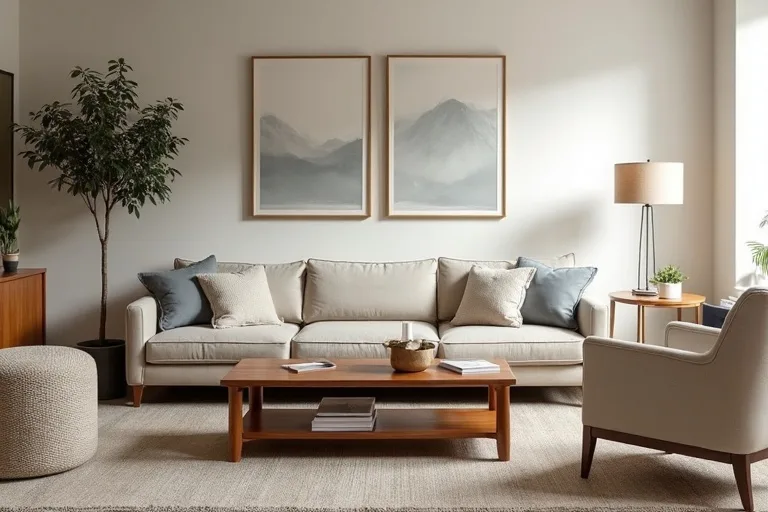
If you are still deciding whether transitional style fits your home, start with clarity rather than shopping. Confirm your direction, then check your room layout so the furniture scale, flow, and styling choices make sense together.
- Mixing too many finish tones, which makes the room feel unsettled.
- Using furniture that is either too ornate or too minimal for the rest of the space.
- Adding decor before the layout and scale are sorted out.
- Choosing neutral colors but forgetting texture, so the room feels flat.
- Trying to copy an image instead of matching the style to the actual room.
Transitional interior design style works because it keeps the room calm, usable, and visually balanced. If you want a home that feels finished without being fussy, focus on a neutral base, simple shapes, and a few well-chosen textures. Then check the layout before you buy so the style fits the room in real life, not just in a photo.
Helpful next tools and planners
If you want to make the decision easier before you buy
These options are useful if you are moving from style choice to actual planning. Start with a tool if you want more clarity, then use a light decor piece only after the room plan is settled.
FAQ
Is transitional style the same as modern classic?
They overlap a lot. Transitional style usually feels a little softer and more neutral, while modern classic may lean more traditional in shape and detail.
What colors work best in transitional interiors?
Warm white, beige, greige, taupe, soft gray, and muted earth tones are common because they create a calm base for mixed furniture and textures.
Can transitional style work in a small room?
Yes. It often works very well in smaller rooms because the look depends on balance and restraint rather than large amounts of decor.
What should I buy first for a transitional room?
Start with the layout and the largest furniture pieces. Once those are right, add lighting, textiles, and a few simple decor items.
Three sensible next steps
Some links in this article may be affiliate links. Read more in the Affiliate Disclosure.