Bathroom remodel budgets usually do not blow up all at once. They drift, then jump, then feel hard to control because the project has already moved into buying mode.
The easiest way to stay calm is to define the work before you choose finishes. Once scope, layout, and fixture level are clear, it becomes much easier to spot what is optional, what is necessary, and what will quietly add labor.
The budget usually grows fastest when scope, fixtures, and hidden labor are not defined early. A realistic range, a clear layout, and a short fixture list will do more to control cost than shopping for the prettiest items first.
Why bathroom budgets slip early
Bathroom projects often start with a simple goal, such as replacing a vanity, updating the shower, or changing tired finishes. The budget starts to rise when that simple goal becomes a collection of small additions: better tile, new lighting, new storage, upgraded hardware, and maybe a different faucet or mirror while you are at it.
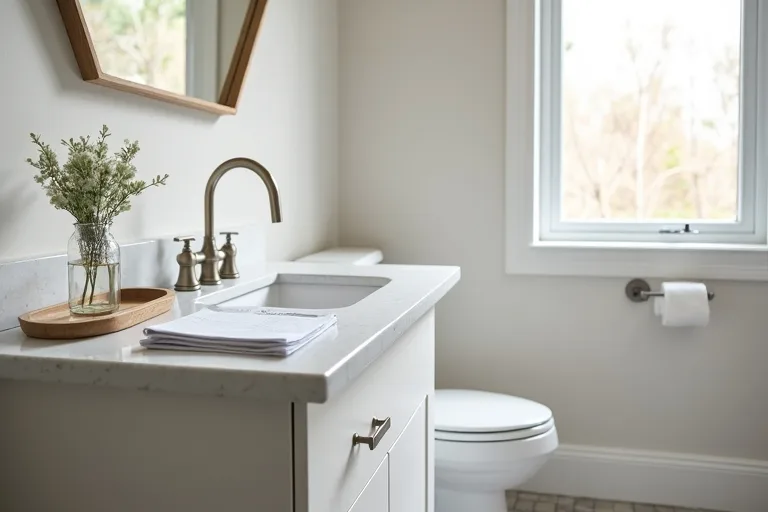
That pattern is common because every item feels minor on its own. The problem is that a bathroom is a compact room, so even modest upgrades stack up quickly. A brushed nickel bathroom faucet 2 handle may seem like a small choice, but once you repeat that decision across the room with coordinated lighting, finishes, and accessories, the project can move into a different cost tier before you notice.
Before you buy anything, it helps to separate the fixed parts of the project from the flexible parts. The fixed parts are things like plumbing location, wall conditions, ventilation, and access. The flexible parts are the visible choices that can usually be adjusted without changing the whole job.
Ask a simple question before every purchase: is this item changing the work, or only changing the look? If it changes the work, it can change the budget. If it only changes the look, it is easier to compare against your allowance.
The biggest scope and layout mistakes
The fastest way to overspend is to let the project grow after the planning phase has started. A layout tweak can sound harmless, but it may trigger extra plumbing, tile work, drywall repair, or electrical changes that were not in the original estimate.
These are the decisions most likely to move the budget:
- Changing the shower size or moving the drain.
- Relocating the toilet or vanity instead of keeping the same rough-in.
- Adding niche storage, recessed lighting, or extra outlets after the plan is set.
- Upgrading materials in one area without checking the impact on the rest of the room.
If you are still in the planning stage, it may help to look at the broader room ideas first so the style choices stay tied to the layout and not the other way around. The bathroom ideas page is a useful place to compare what feels right before you start buying.
Hidden labor and fixture decisions that change the bill
Labor often matters more than the fixture price itself. A simple-looking update can require more work if the existing plumbing is old, walls need repair, or the electrical setup is not suited to the new plan.
This is why it is wise to treat fixture selection as part of the budget, not an afterthought. A vanity light, faucet, mirror, and storage piece all influence the level of finish you are moving toward. Even one upgrade can be enough to shift the tone of the room, which is why it pays to choose with the total project in mind.
Use this order to keep decisions grounded:
- Confirm the room layout and what is staying in place.
- Set a realistic budget range before browsing fixtures.
- Choose the plumbing and lighting priorities first.
- Then compare finishes, style, and matching details.
If you are trying to understand the likely cost before talking through choices, the bathroom remodel cost estimator is a sensible next step. It helps you define a range before the project starts pulling you toward individual purchases.
A calmer pre-shopping plan
The best way to avoid budget shock is to do a short planning pass before you shop. You do not need a perfect design. You do need enough structure to stop the project from becoming a series of unrelated decisions.
Start with the essentials: what must stay, what must change, and what can wait. Then write down the fixtures and finishes that matter most to you. If a brushed nickel bathroom faucet 2 handle fits the room better than a more decorative option, that is useful information because it can keep the rest of the selection process simple and consistent.
A good budget plan also gives you room to say no. If something is not in the plan, it should be treated as a later decision, not a default add-on. That one habit can prevent a long list of small upgrades from becoming the reason the project runs over.
Best next step
Before you choose finishes or commit to layout changes, check your numbers against a realistic range. The bathroom remodel cost estimator can help you set that range first, so shopping decisions stay tied to the budget instead of the other way around.
- Shopping for fixtures before defining the layout.
- Assuming small changes will not affect labor.
- Mixing must-have work with nice-to-have upgrades.
- Choosing finishes without checking the total allowance.
- Ignoring plumbing, electrical, and wall repair surprises.
- Adding items one by one until the room reaches a different cost level.
Bathroom budgets expand fastest when the project is still loosely defined. A clear scope, a realistic range, and a short list of priorities will keep the room plan grounded and make each purchase easier to judge. Once that is in place, the rest of the design work becomes much simpler.
Helpful next tools and planners
If you want to make the decision easier before you buy
These are useful when you are still comparing options and want a better handle on cost, fixture choices, and the sequence of decisions.
FAQ
What causes bathroom remodel budgets to increase the fastest?
Scope changes and hidden labor usually push costs up fastest, especially when plumbing, electrical, or wall work changes after the plan is already set.
Should I choose fixtures before I set the budget?
No. It is better to define a realistic budget range first, then choose fixtures that fit that range.
Is moving the vanity or toilet always expensive?
Not always, but any layout change can add labor and repair work, so it should be checked carefully before you commit.
What should I do before I start shopping?
Confirm the layout, list the must-have changes, and use a cost estimator so the project has a clear spending limit.
Three sensible next steps
Some links in this article may be affiliate links. Read more in the Affiliate Disclosure.