
Bathroom remodel costs become much easier to handle when you slow down before buying anything. The biggest budget mistakes usually happen early, when the scope is still vague and every product starts to look like a decision that must be made right away.
This checklist is meant to steady that process. Use it to define what the remodel really includes, what has to be priced now, and what can wait until the layout and budget are clearer.
Start with scope, measurements, and a clear budget range before you shop or request contractor quotes. That gives you a more realistic way to compare materials, labor, and the upgrades that matter most.
Start with scope before you shop
The first cost decision is not the faucet, tile, or mirror. It is the size of the job. A bathroom remodel can be cosmetic, partial, or full, and each one changes how you should budget.
A cosmetic update may keep the same layout and major fixtures. A partial remodel might replace the vanity, lighting, and selected finishes. A full remodel can involve plumbing, waterproofing, flooring, ventilation, and new fixture placement. Once you know which version you are planning, shopping becomes much simpler.
If you are still deciding what kind of update makes sense, start with the broader remodel budget context in the Remodel & Budget hub, then narrow the room decisions from there.
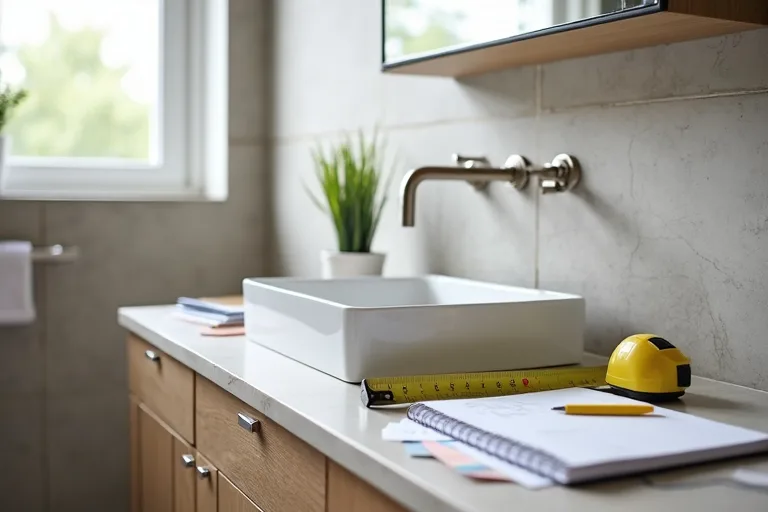
If you cannot describe the project in one sentence, you are not ready to price materials. Try this: I am updating the bathroom without changing the layout, or I am replacing the vanity, lighting, and floor while keeping the plumbing in place. That sentence tells you what belongs in the budget and what does not.
Separate what stays from what changes
This is where many bathroom budgets drift. People price the new items but forget the parts that are staying, or they assume an old fixture can remain even though the new layout depends on replacing it.
Make two simple lists:
- What stays: walls, plumbing locations, toilet position, mirror, tub, floor, or cabinetry if they are not being changed.
- What changes: vanity, faucet, lighting, shower door, tile, storage, paint, trim, hardware, and any electrical or plumbing adjustments.
- What needs checking: ventilation, moisture damage, shut-off valves, outlet placement, and fixture clearances.
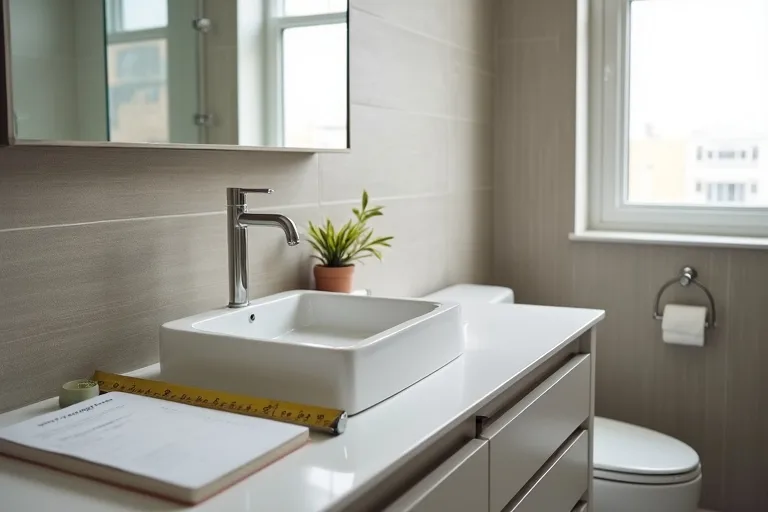
That separation helps you avoid pricing products you may not need, while also revealing work that must be included even if it is not visible at first glance. A brushed nickel bathroom faucet 2 handle, for example, only makes sense as a price item once you know whether the sink, holes, and existing plumbing match the new setup.
Price the bathroom in the right order
Once the scope is clear, the order of pricing matters. Start with the items that affect layout and labor, then move to finishes. That keeps you from overcommitting to decorative pieces before you know what the room can support.
A practical order looks like this:
- Measure the room, openings, and fixture clearances.
- Confirm whether plumbing or electrical work will move.
- Price the main fixtures and permanent surfaces first.
- Estimate labor, permits, and demolition.
- Then compare finish choices such as faucet style, lighting, mirror, and accessories.
If you want a clearer number before you contact contractors, use the Bathroom Remodel Cost Estimator. It is a better first step than collecting random quotes because it helps you understand the likely range before you start comparing materials line by line.
Use your checklist to decide what to buy now
Not every item needs to be purchased at the same time. In a bathroom remodel, it usually helps to separate immediate decisions from later ones. The items that affect rough-in dimensions, delivery timing, and contractor scheduling should come first. The rest can wait until the budget has been tested.
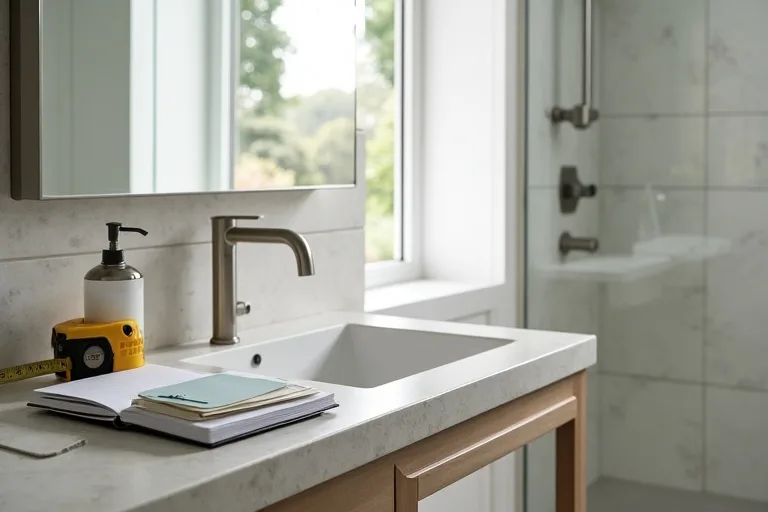
Buy or confirm now: vanity size, faucet configuration, light fixture needs, tile quantities, and anything that could delay the schedule if it is wrong. Wait on smaller styling choices until the layout is locked. If you are leaning toward a modest upgrade path, an LED vanity light fixture bathroom option can be a sensible planning item because lighting affects daily use without forcing a bigger structural change.
For the cost side of that process, a simple spreadsheet can help you separate estimates, deposits, and purchases. If you want a ready-made tracker, the Home Renovation Budget Planner Spreadsheet (Google Sheets, Excel) can be useful for keeping the numbers in one place before you commit to materials or labor.
Best next step
Turn your checklist into a clearer budget range before you start buying materials or contacting contractors. The fastest way to do that is to test the scope against a planning tool, then use room ideas only after the budget feels realistic.
- Pricing finishes before you know whether the layout is changing.
- Forgetting labor, permits, or demolition when setting the budget.
- Buying fixtures before checking clearances and measurements.
- Assuming every upgrade needs to happen in the same phase.
- Skipping a buffer for unexpected plumbing, moisture, or electrical issues.
Bathroom remodel cost planning gets easier when you define the scope first, measure carefully, and separate must-haves from nice-to-haves. Once you know what stays, what changes, and what the room can realistically support, you can price materials and contractor work with far less guesswork.
Helpful next tools and planners
If you want to make the decision easier before you buy
These next steps are useful when you are still comparing options and want a calmer way to track costs, timing, and room decisions.
FAQ
Should I price materials or get contractor quotes first?
It helps to do both in a light way, but start with scope and a budget range first. That makes contractor quotes easier to compare and prevents you from overbuying materials before the job is defined.
What should I measure before planning a bathroom remodel?
Measure the room, vanity width, fixture clearances, door swing, and any areas that could affect plumbing or electrical work. Those basics often determine which products and layout options are realistic.
How much detail do I need before using a cost estimator?
Enough to describe the project clearly. You do not need every finish chosen, but you should know whether the remodel is cosmetic, partial, or full, and whether the layout will stay the same.
When should I start buying fixtures?
Only after you have confirmed measurements, rough-in needs, and budget priority. Fixtures that affect fit or installation should be chosen earlier than decorative items.
Three sensible next steps
Some links in this article may be affiliate links. Read more in the Affiliate Disclosure.