
Choosing a dining table is easier when you treat it like a room-planning decision first. The best table is not just the one that looks right online; it is the one that leaves clear walkways, fits the way you use the room, and makes everyday movement feel simple.
If you are comparing dining table ideas, start with size, shape, and seating before you think about finish or styling. That order keeps the decision calm and usually saves you from buying something that looks fine in a photo but feels awkward at home.
Start with room size, walkway clearance, and seating needs, then choose a table shape and style that fits the layout. If the room is tight or shared with another function, an extendable table often gives you the most flexibility without crowding the space.
Start with the room, not the table
The first mistake people make is shopping for a table before they understand the space. A dining table that is too large can block circulation, make chairs hard to pull out, and turn the room into a squeeze point. A table that is too small can feel temporary and underused, even if the style is right.
Before you compare materials or finishes, look at how the room actually works. Ask where people enter, where chairs need to move, and whether the dining area shares space with a wall, kitchen run, or passageway. If the layout is already tight, it is worth checking a Dining Table Size Calculator early so you can rule out sizes that will not fit comfortably.
The layout question matters most in open-plan homes and smaller dining rooms, where every inch affects the feeling of the room. For broader kitchen and dining planning, the Kitchen & Dining hub is a useful place to compare related decisions before you buy.
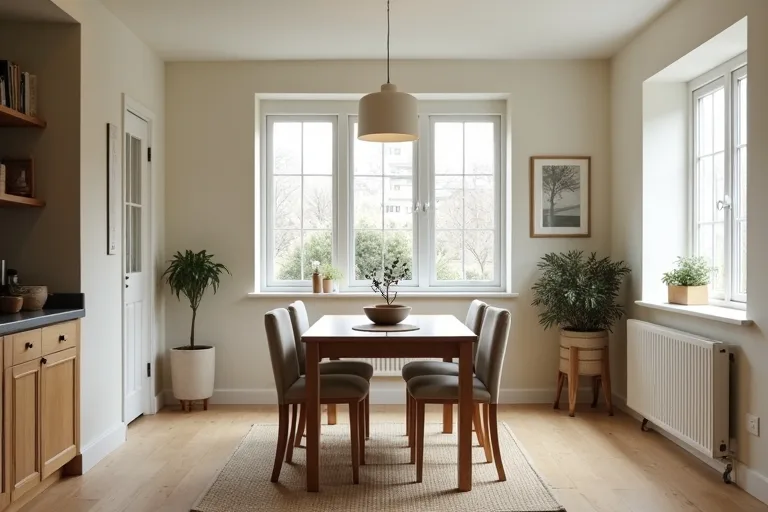
The real decision is not whether a table is attractive. It is whether the table fits the room with enough space for chairs, movement, and everyday use. If you have to compromise on walkways just to keep the table size, the layout is probably wrong.
Choose the shape that suits the layout
Shape changes how a dining table feels in the room. Round, square, rectangular, and oval tables each solve different problems, so the best choice depends on how your dining area is built and how many people you need to seat most days.
In smaller rooms, a round or square table can soften tight corners and make circulation easier. In longer rooms, a rectangular table often works better because it follows the shape of the space and gives a clearer line for chairs and movement. Oval tables can be a good middle ground when you want the benefits of a longer table without the hard corners.
A simple way to narrow the choice is this:
- Measure the room and note any fixed obstacles.
- Decide how many people you need to seat most of the time.
- Think about whether the table needs to serve everyday meals, homework, work, or hosting.
- Choose the shape that keeps the movement path easiest.
If you are still deciding between several layouts, use the table size calculator first and then compare shapes against the room you actually have, not the room you wish you had.
Work out seating, chairs, and flexibility
Once the table shape is clear, the next question is how many seats you truly need. A table that seats six sounds ideal until you realise your room only works comfortably for four on ordinary days. Planning for the way you live most of the time is usually smarter than planning for the largest possible gathering.
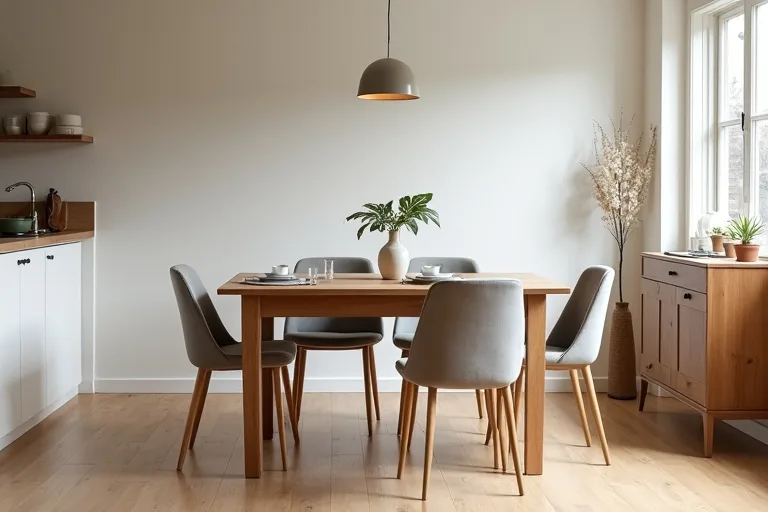
Chair choice matters as much as the table itself. Upholstered chairs can feel more comfortable for longer meals, but they usually need a little more visual and physical space than slimmer dining chairs. That makes them worth considering when the room has room to breathe, or when you want the dining area to feel softer and more settled.
If you host occasionally but do not want a larger table taking over the room every day, an extendable table can make sense. It keeps the everyday footprint manageable while giving you room to adapt when guests come over. That is especially helpful in a smaller dining room, where fixed size often forces a compromise.
Buy with budget and use in mind
Budget works best when it follows the layout decision. Once you know the size, shape, and seating count, you can compare options without getting distracted by tables that are wrong for the room. That keeps you focused on value instead of just appearance.
If you are building a fuller plan, it helps to think beyond the table itself. A table, chairs, and layout often work together, so it is sensible to compare the whole set rather than buying each piece in isolation. The Room Layout Planner is useful if you want to map the space before committing, and a simple budget sheet can keep the project grounded if you are balancing several purchases at once.
For readers who are ready to compare practical product options, an extendable dining table for small dining room can be a sensible starting point, especially if the room needs flexibility. If you are also updating seating, an upholstered dining chairs set of 4 may be worth comparing once the table dimensions are clear. For a more organised approach, the Room Makeover Planner, Home Layout Budget Spreadsheet can help you keep the room plan and spending in the same place.
Best next step
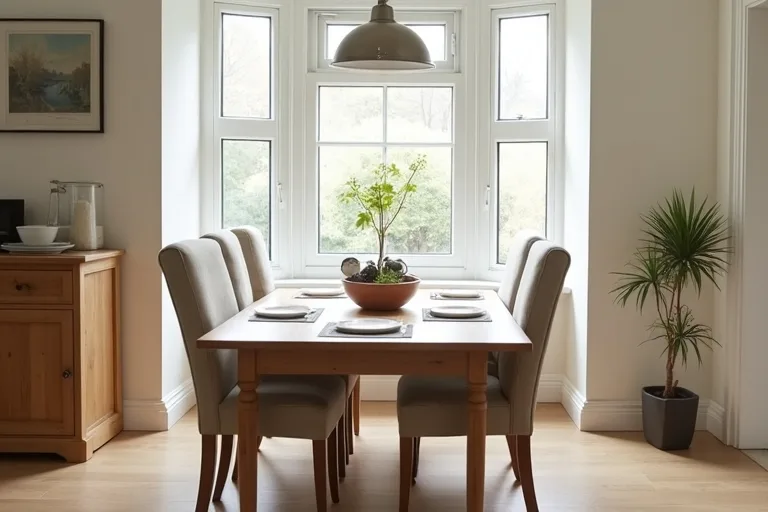
Before you start comparing tables and chairs, confirm the dimensions that fit your room. That one check makes every later choice easier, whether you are shopping for a fixed table or considering an extendable dining table for a small dining room.
- Buying a table before checking walkway clearance.
- Choosing a shape that fights the room layout.
- Planning for guest capacity instead of everyday use.
- Forgetting to account for chair width and pull-out space.
- Matching style first and solving size later.
The best dining table idea is the one that fits the room cleanly, seats the right number of people, and supports the way you live. Start with measurements, then choose shape, seating, and flexibility from there. If the room is compact, an extendable dining table may give you the best balance of everyday comfort and occasional hosting.
Helpful next tools and planners
If you want to make the decision easier before you buy
These options are most useful after you have checked the room size and decided what the table needs to do. They are here to support the plan, not replace it.
FAQ
How do I choose the right dining table size?
Start with the room dimensions, then leave enough space for chairs to move and for people to walk around the table comfortably. A size calculator is the quickest way to test whether the table will work before you shop.
What shape dining table works best in a small room?
Round and square tables often work well in smaller rooms because they can make circulation feel easier. In narrow rooms, a rectangular or oval table may fit better if the layout is long rather than compact.
When should I choose an extendable dining table?
Choose an extendable table if you need a smaller everyday footprint but still want to seat extra guests sometimes. It is especially useful when the dining space also needs to function as a walkway or shared room.
Should I buy chairs before the table?
Usually no. It is better to confirm the table size and shape first, then choose chairs that fit the space and feel comfortable with that table.
Three sensible next steps
Some links in this article may be affiliate links. Read more in the Affiliate Disclosure.