
A cozy living room should feel easy to use as well as easy to look at. That balance is where many rooms go wrong: the space looks styled for a photo, but daily life feels cramped, dim, or unfinished.
The good news is that most of the common mistakes are not about taste. They are about order. If you check the layout, scale, and lighting first, the room usually becomes warmer with fewer purchases and less trial and error.
The biggest mistake is styling before checking layout, scale, and lighting. If those three things work, cozy details such as rugs, art, throws, and lamps are much easier to place well.
Start with layout before décor
A cozy room is not just about soft textures. It also needs a clear path, comfortable seating distance, and a focal point that makes sense. If the sofa is too close to a doorway, or chairs face the wrong direction, the room will feel busy even when it is decorated carefully.
Before buying anything new, decide what the room needs to do. Is it mainly for conversation, TV time, reading, or a mix of all three? That answer shapes where the sofa goes, whether you need one chair or two, and how much open floor space to leave in the middle.
If you want a calmer planning process, use the Room Layout Planner before you shop. It is much easier to buy the right pieces once you know the flow of the room.
Ask yourself one simple question: does the room need more softness, or does it need better structure? If the answer is structure, change the layout first. If the answer is softness, then finish with textiles, lighting, and art.

Watch for scale mistakes with sofas, tables, and accessories
One oversized item can make a room feel crowded, while too many small items can make it feel fussy. Both problems are common in cozy living rooms. The goal is not to fill every corner. It is to choose pieces that suit the size of the room and each other.
Large sofas, tiny coffee tables, narrow rugs, and scattered side tables often create the wrong balance. The room may technically contain everything it needs, but nothing feels anchored. In a cozy space, scale does a lot of the visual work.
A good rule is to edit before you add. If a room already feels full, try simplifying the furniture mix before buying more decor.
- Check whether the sofa leaves enough room to move around it.
- Make sure the coffee table is easy to reach from the main seat.
- Use one or two larger accessories instead of many small ones.
- Keep repeat shapes and finishes simple so the room feels settled.
If you are choosing new furniture, the Living Room Ideas hub is a useful place to compare planning topics before you commit to a style.
Get the rug and lighting right
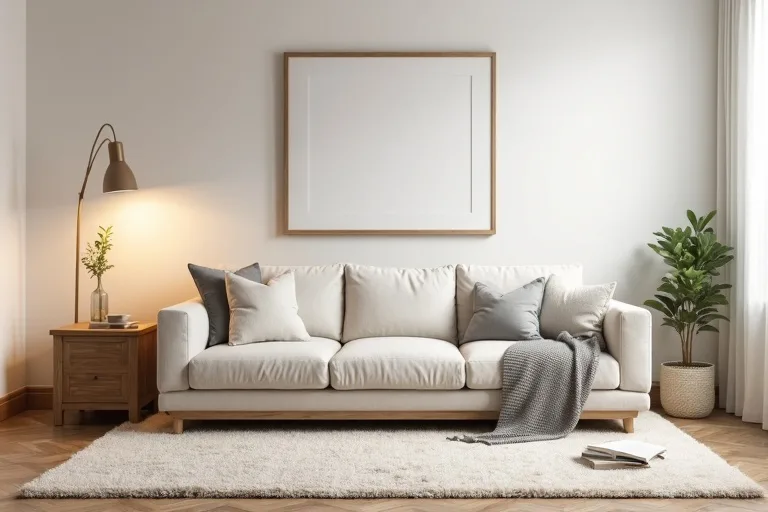
A rug that is too small is one of the easiest ways to make a cozy room feel disconnected. It can make the seating look as if it is floating separately instead of forming one relaxed arrangement. A better-sized rug helps the whole room feel calmer and more grounded.
Placement matters too. The rug should help define the seating zone, not fight it. If the front legs of the main seating pieces can sit on the rug, the room usually feels more intentional. If the rug slips or shifts, even a good layout can start to feel messy.
Lighting has the same effect. One overhead light can leave the room flat and a little harsh, even when the furniture is right. A combination of ambient light and a softer lamp or two usually makes the room feel warmer without adding clutter.
If you are unsure about size, use the rug size calculator before ordering. For a simple stability fix, a non slip rug pad 8×10 can help keep the room feeling finished and safer underfoot.
Finish walls and corners without over-layering the room
Blank walls and empty corners can make a room feel incomplete, but adding too many tiny pieces creates a different problem. Cozy does not mean crowded. A few well-chosen finishing touches usually work better than a lot of small decor competing for attention.
Above the sofa, one simple framed piece or a calm set of prints often feels more settled than a busy gallery wall. In a corner, a lamp, plant, or chair can solve the emptiness without making the room feel heavy. The point is to support the layout, not cover every surface.
A neutral framed wall art set for living room can be a smart finishing choice when the room already has enough furniture and just needs a calmer visual anchor. The best version is usually the one that helps the wall relate to the seating, rather than fighting it for attention.
For a room that still feels unfinished after the main pieces are in place, a simple art set such as a neutral framed wall art set for living room can help the room feel more complete. If you like to plan the whole update before buying anything, the Room Makeover Planner, Home Layout Budget Spreadsheet (Digital Download) is a useful way to keep layout, budget, and shopping in one place.

Best next step
If your room still feels hard to finish, pause before buying more decor. Use a planning tool to confirm the layout, then choose the pieces that support it. That one step can save money and prevent the most common cozy-room mistakes.
- Styling before checking the room layout.
- Choosing furniture that is too large or too small for the space.
- Using a rug that does not anchor the seating area.
- Relying on one harsh overhead light instead of layering softer light.
- Adding too many small accessories instead of a few stronger pieces.
- Leaving walls and corners empty, then overcompensating with clutter.
A cozy living room works best when the room is planned before it is decorated. Focus first on layout, scale, rug size, and lighting. Then add only the finishing pieces that support the space. That approach usually creates a warmer room with less clutter and fewer regrets.
Helpful next tools and planners
If you want to make the decision easier before you buy
These options are most useful when you are still deciding what the room needs. Start with planning, then add the few items that finish the space well.
FAQ
How do I make a living room feel cozy without making it cluttered?
Start with a clear layout, then use a few soft layers such as a rug, lamp light, and one or two textures. Keep accessories simple and repeat a calm color palette.
What is the most common rug mistake in a cozy living room?
Choosing a rug that is too small for the seating area. A rug that anchors at least part of the furniture usually makes the room feel more connected.
Why does my living room still feel cold even after decorating?
The issue is often lighting or scale, not decor. One overhead light, oversized furniture, or too many small objects can all stop the room from feeling settled.
Should I buy decor first or plan the layout first?
Plan the layout first. Once the room flow and furniture size are clear, it becomes much easier to choose decor that actually fits the space.
Three sensible next steps
Some links in this article may be affiliate links. Read more in the Affiliate Disclosure.