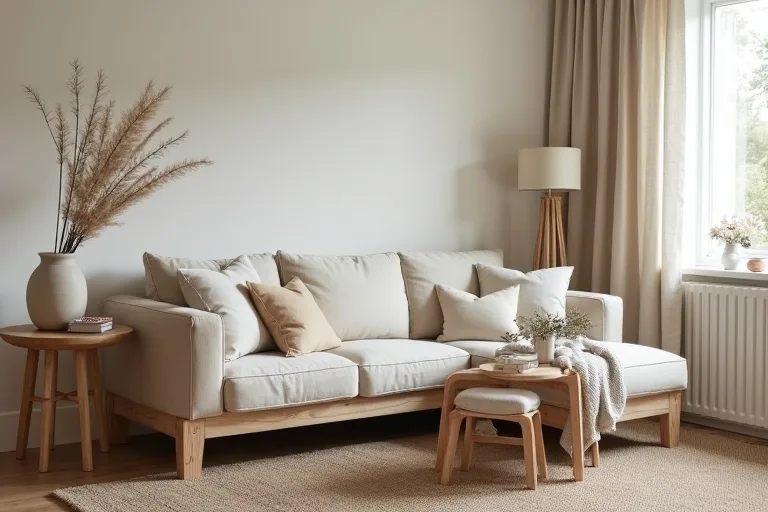
Rustic interior design is often described in broad terms, but the useful version is much simpler: it is a way of making a room feel grounded, natural, and easy to live in. It relies on honest materials, warm neutrals, and details that look settled rather than staged.
If you are planning a room and want it to feel calm instead of overworked, rustic style can be a good direction. The key is not to add more decor. It is to choose the right materials, scale, and finishing touches so the room feels intentional from the start.
Rustic style uses natural materials, warm tones, and simple, lived-in details to create a cozy, grounded room. The best version of it feels practical first: wood, stone, linen, iron, and quiet neutrals do most of the work, while styling stays restrained.
What rustic interior design really means
Rustic interior design is not the same as country style, farmhouse style, or a heavy cabin look. At its core, it is about keeping the room visually honest. Materials are usually left looking natural, textures are more important than decoration, and the overall effect should feel warm without becoming busy.
That is why rustic rooms often work best when the layout is simple. A clear path through the space, furniture with useful proportions, and a limited palette make the style feel calm. If the room is already crowded, rustic details can easily start to feel heavy.
The style also works best when you let the structure of the room support the look. Visible wood grain, a stone fireplace, woven seating, or plain linen curtains can all do more than a shelf full of decorative objects. Rustic design is strongest when the room looks naturally composed, not overly arranged.
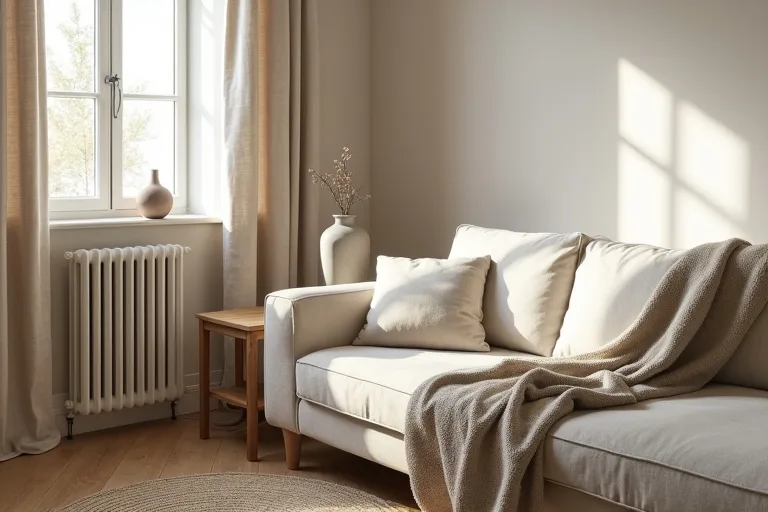
Before choosing rustic decor, ask one simple question: does the room already have enough breathing space for the style to feel relaxed? If the answer is no, fix layout and scale first. Rustic style works best when the room feels open enough for the materials and textures to read clearly.
The materials and color palette that do the work
The most reliable rustic rooms start with a short list of materials. Wood brings warmth, stone brings weight, linen softens the look, and iron or black metal adds structure. None of these needs to dominate. In fact, the best rustic spaces usually feel better when there is some contrast but not too much of it.
For color, think in warm neutrals rather than strong color. Soft white, beige, oatmeal, taupe, muted brown, and gentle clay tones are usually easier to live with than darker, trend-led shades. These colors allow the texture of the materials to stand out, which is where rustic style often gets its character.
A simple way to build the palette is to keep most of the room quiet and let one or two elements carry the visual weight. A wood coffee table, a wool rug, or a stone accent can make the room feel rustic without needing many separate decorative pieces.
- Choose one main wood tone and repeat it a few times.
- Use one or two soft neutrals for the larger surfaces.
- Add texture through curtains, throws, rugs, and upholstery.
- Keep metal accents minimal and consistent.
How to balance rustic style with modern comfort
Many rooms fail at rustic style because they lean too hard into one side of the look. If everything is distressed, rough, or oversized, the room can feel dated or uncomfortable. If everything is too polished, the rustic feeling disappears. The goal is a mix that still works for everyday life.
Modern comfort usually comes from the pieces you use most. A sofa should feel supportive, a rug should feel soft enough underfoot, and storage should be easy to use. Rustic style can sit on top of that foundation, but it should not make the room harder to live in.
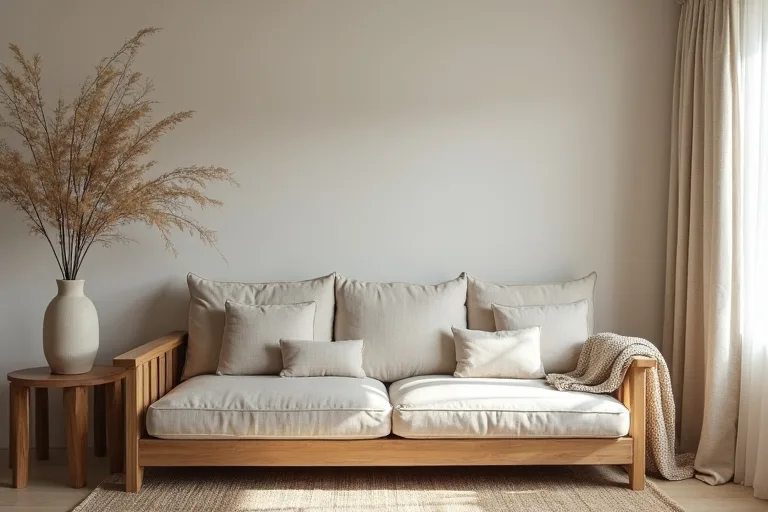
If you want a room to feel rustic without becoming themed, keep the shapes simple and the styling sparse. A neutral throw blanket on the sofa, a plain ceramic vase on a side table, and one or two natural textures are often enough. That is usually more effective than adding many separate accents.
Choose comfort first, then finish with rustic texture. If a piece looks right but makes the room less usable, it is the wrong choice. Rustic style should support the room’s function, not compete with it.
Room-by-room styling that stays practical
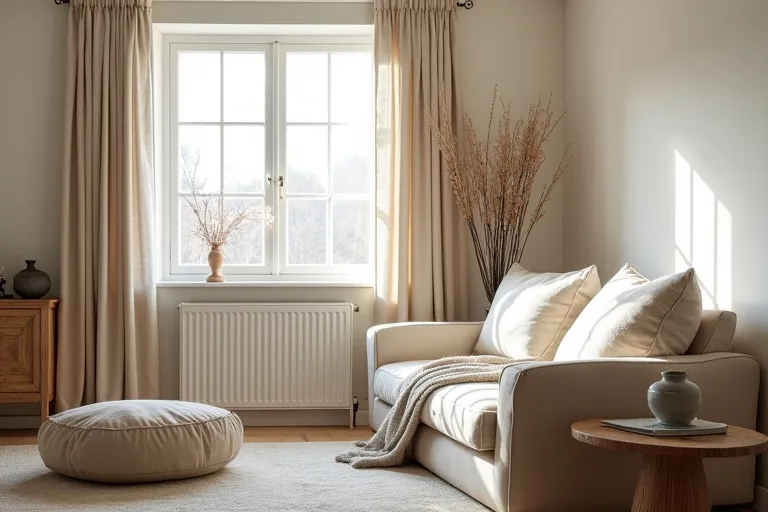
Rustic style does not need to look the same in every room. In a living room, it may show up through a wood coffee table, linen curtains, and a textured rug. In a bedroom, it often works best through softer layers, simple bedside tables, and calm bedding in warm neutral tones.
In a kitchen or dining area, rustic design can be as simple as open wood shelves, matte finishes, and one or two pieces that feel handmade rather than perfect. In a bathroom, the look usually stays cleaner and lighter, with natural textures used carefully so the space still feels fresh.
The easiest mistake is trying to make every surface rustic. A better approach is to choose one or two visible touchpoints per room and let the rest stay quiet. That keeps the style clear without making the room feel cluttered.
Best next step
If you are deciding whether rustic style really fits your room, start with the plan before you shop. The Home Style Quiz can help you confirm the direction, and the Room Layout Planner can show whether the room has the right flow for a calm rustic look.
- Using too many distressed pieces, which makes the room feel heavy instead of calm.
- Mixing too many wood tones without a clear plan.
- Choosing rustic decor before checking layout, scale, and storage.
- Adding dark or busy accents that compete with the natural materials.
- Making the room look themed instead of lived in.
Rustic interior design works best when it is treated as a planning choice, not just a decorating style. Start with the room layout, keep the palette warm and quiet, and use natural materials to create texture and weight. A few well-chosen pieces are usually enough to make the space feel rustic, comfortable, and easy to live with.
Helpful next tools and planners
If you want to make the decision easier before you buy
A calm rustic room usually comes together faster when the plan is clear first. These tools and practical product options can help you finish the space without filling it with unnecessary items.
FAQ
Is rustic interior design the same as farmhouse style?
Not exactly. Rustic style is broader and usually more material-focused, while farmhouse styling often brings in more decorative or domestic references. Rustic can feel simpler, quieter, and less themed.
Can rustic style work in a small room?
Yes, if you keep the palette light and avoid crowding the space with oversized furniture or too many distressed pieces. Small rooms usually need restrained rustic details rather than a full heavy look.
What colors work best in a rustic room?
Warm neutrals usually work best: soft white, beige, oatmeal, taupe, muted brown, and gentle clay tones. These shades let the texture of the materials stand out.
How do I make rustic style feel modern?
Keep the forms simple, use comfortable furniture, and limit the number of decorative pieces. A rustic room feels more modern when the layout is clear and the finishes are understated.
Three sensible next steps
Some links in this article may be affiliate links. Read more in the Affiliate Disclosure.