
When a room starts to feel tired, the first question is usually not what to buy. It is whether the space needs a light update or a deeper change that affects how it works every day.
That choice matters because a refresh and a remodel ask for very different amounts of time, money, and disruption. The calmer decision is the one that matches the problem you are actually trying to solve.
Choose a refresh for cosmetic updates and a remodel when layout, function, or major systems need to change.
What a refresh really changes
A refresh keeps the room structure in place and focuses on the things you notice first: paint, hardware, lighting swaps, fixtures, textiles, and small surface updates. It is the better choice when the room works well enough but looks dated, worn, or too busy.
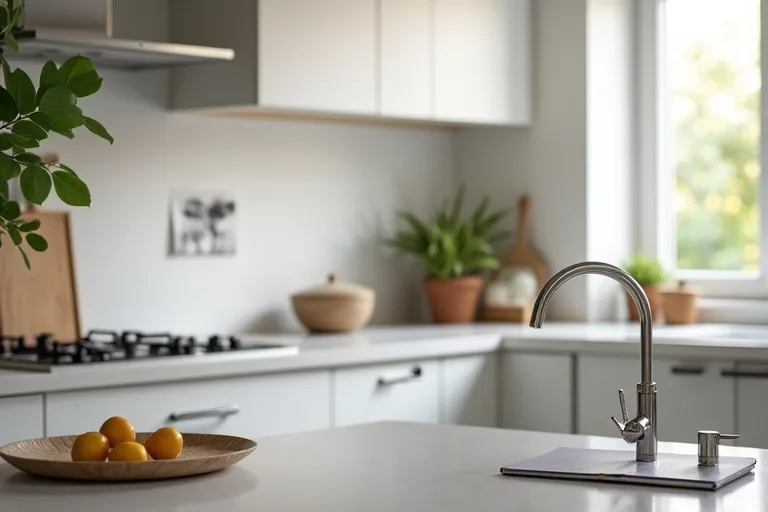
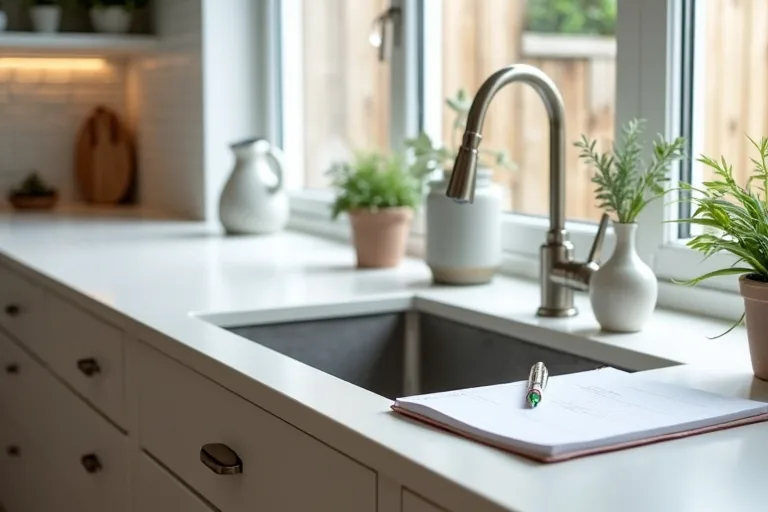
This is the stage where a project can stay controlled. You can improve the feel of a kitchen or bathroom without opening walls or rethinking the entire plan. A brushed nickel kitchen faucet pull down, for example, can be a sensible upgrade when the sink and layout still work, but the old fixture is letting the room down.
Refreshes are also useful when you want a room to feel cleaner and more intentional without committing to full construction. Small changes like cabinet pulls, a new paint color, or better task lighting can reset the space without forcing a long renovation schedule.
If the room functions well and the main issue is appearance, start with the least disruptive change that still solves the problem. If you can name the exact pain point in one sentence, you are probably still in refresh territory.
When a remodel is the better call
A remodel makes sense when the room no longer works the way you need it to. That might mean poor traffic flow, not enough storage, awkward clearances, outdated plumbing or electrical work, or a layout that creates daily friction.
In other words, if the problem is not just how the room looks but how the room behaves, a remodel is usually the more honest plan. Cosmetic fixes can help a little, but they will not solve a bad layout or a space that is too cramped for the way you live.
Some common signs point clearly toward remodel territory:
- The room feels hard to use, not just hard to style.
- You keep working around the same layout problem.
- Storage is so poor that the room stays cluttered.
- Major systems need attention at the same time as the finishes.
- You are changing fixture locations, not just fixture styles.
For bathrooms, it can help to compare your ideas against a dedicated planning tool before you commit. The bathroom remodel cost estimator is a useful next step if the project may involve plumbing, tile, or layout changes.
How to compare budget, time, and disruption
The decision often becomes clearer when you compare the real cost of living through the work. A refresh may be quicker and easier to stage, while a remodel usually takes more planning and creates more disruption, even when the end result is more useful.
A simple way to think about it is this:
1. Budget: A refresh usually concentrates spend on visible items and smaller trades. A remodel usually adds labor, design decisions, material coordination, and possible permit or system costs.
2. Time: A refresh can often be completed in smaller steps. A remodel tends to involve sequencing, waiting, and decisions that affect several parts of the room at once.
3. Disruption: A refresh usually keeps more of the home usable. A remodel may mean dust, noise, temporary workarounds, and sections of the room being unavailable.
If your project touches more than one room or you are trying to keep spending under control, a planning tool can help you slow the process down. The paint calculator is useful for refresh-level updates, while a broader budget system such as the Home Renovation Budget Planner Spreadsheet (Google Sheets, Excel) can help you track bigger plans before they get expensive in small ways.
For a wider planning view, the Remodel & Budget hub is a sensible place to compare room ideas, scope, and costs without rushing the choice.
A simple decision checklist by room
The cleanest way to choose between refresh and remodel is to look at the room itself and answer a few practical questions. If most of the answers point to appearance, a refresh is likely enough. If most of them point to function, a remodel is probably worth the effort.

Use this short checklist:
For kitchens: Are the cabinets solid, the layout workable, and the appliances in the right place? If yes, hardware, faucet, lighting, and paint may be enough. If no, the room may need a remodel to improve flow and storage.
For bathrooms: Is the room simply worn out, or does it feel cramped, outdated, or awkward to use? A surface update can help a lot, but a poor layout or aging plumbing usually points to remodel work.
For living areas: Is the main issue style, color, or furniture placement? Those are often refresh problems. If the room has circulation issues or no clear purpose, layout planning may matter more than decor.
For small spaces: A refresh can reduce visual clutter, but if the room cannot function because storage or access is the real issue, a remodel-style plan may be necessary even in a compact footprint.
When the answer is still unclear, start by measuring and writing down the one thing that bothers you most. That simple note usually points toward either a visual fix or a structural one.
Best next step
Before you commit to materials or contractor quotes, turn the idea into a basic budget and scope plan. If the project is a bathroom, start with the remodel cost estimator. If it is a lighter update, use the paint calculator and build from there. For broader planning, the budget spreadsheet helps keep the project grounded in real numbers.
- Calling a remodel a refresh and then being surprised by the cost or disruption.
- Spending on finishes before deciding whether the layout actually works.
- Ignoring storage, traffic flow, or clearances because the room only looks tired.
- Starting without a budget range, then making decisions room by room without a plan.
- Choosing upgrades that look good on their own but do not solve the real problem.
A refresh is the smarter choice when the room already works and only needs cosmetic improvement. A remodel is the better investment when the layout, function, or systems need to change. Start with the problem, then match the scope to it, and you will avoid most of the stress that comes from planning a home update the hard way.
Helpful next tools and planners
If you want to make the decision easier before you buy
These are useful if you are still sorting out whether your project is a simple update or a larger renovation. Keep the focus on scope first, then spend.
FAQ
How do I know if I need a refresh or a remodel?
If the room works and only looks dated, start with a refresh. If the room does not function well, a remodel is usually the better answer.
Is a refresh always cheaper than a remodel?
Usually, yes, because it avoids major layout and system changes. But the final cost still depends on the finishes and trades you choose.
Should I remodel a room just because it feels old?
Not necessarily. Age alone is not enough. If the room is still functional, a thoughtful refresh may solve the problem more efficiently.
What should I plan first before hiring help?
Start with scope, budget, and room function. Once those are clear, it is much easier to decide whether you need a small update or a full renovation.
Three sensible next steps
Some links in this article may be affiliate links. Read more in the Affiliate Disclosure.